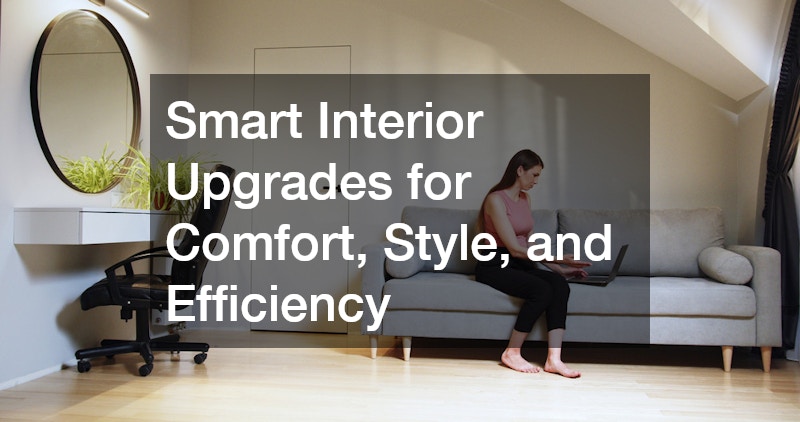

Upgrading your home isn’t always about dramatic renovations or expensive redesigns. In many cases, the most meaningful improvements come from thoughtful, well-planned changes that enhance how your space feels and functions every day. Comfort, style, and efficiency are deeply connected—when one improves, the others tend to follow.
This guide explores practical ways to elevate your interiors with intention. Whether you’re refreshing a single room or rethinking your entire home, these ideas focus on real-life usability, long-term value, and subtle design choices that make a noticeable difference.
Start With a Deep Clean to Reset Your Space
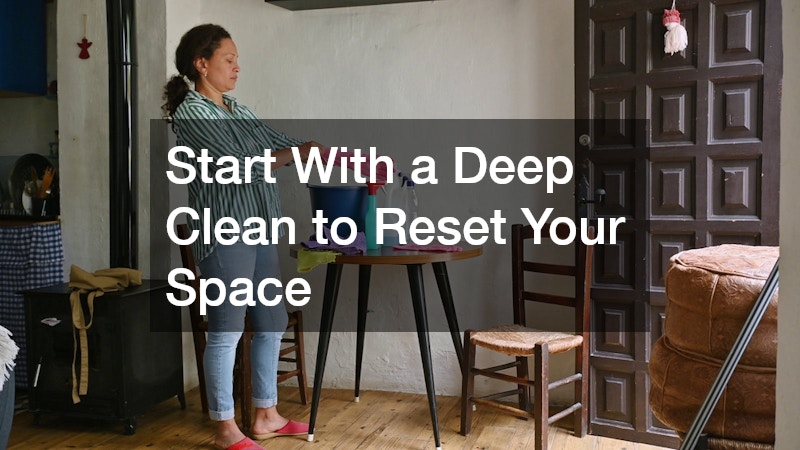
Before investing in furniture, décor, or structural changes, it’s worth stepping back and asking a simple question: does your space feel clean and refreshed at a foundational level?
A thorough reset can completely change how your home looks and feels. For example, many homeowners underestimate how much natural light is being blocked by dust and buildup. Professional window cleaning can dramatically brighten a room, making colors appear more vibrant and spaces feel larger without moving a single piece of furniture.
At the same time, unseen issues can quietly undermine your efforts. If you’ve noticed subtle signs like droppings, wall damage, or persistent odors, it may be time to consult a pest control company. Addressing these concerns early prevents damage and ensures your upgrades aren’t built on top of hidden problems.
A practical way to approach this phase is to treat it like a reset ritual:
- Walk through each room with a critical eye
- Identify areas that feel dull, cluttered, or neglected
- Tackle one zone at a time rather than overwhelming yourself
This stage isn’t glamorous, but it sets the tone for everything that follows. A clean, fresh environment makes every future upgrade more impactful.
Improve Air Quality and Climate Control for Everyday Comfort
You can have a beautifully designed room, but if the air feels stale or the temperature is inconsistent, comfort quickly disappears. Climate control is one of those invisible upgrades that influences how much you actually enjoy your space.
Many homeowners don’t realize how much their systems affect both energy efficiency and interior longevity. Consulting an HVAC company can help identify whether your system is working efficiently or if upgrades could improve airflow and reduce energy costs.
Think about how different rooms in your home are used. A bedroom should feel cool and restful at night, while a living area might benefit from consistent airflow during the day. Smart thermostats and zoning systems allow you to tailor conditions to your routine rather than forcing every room into the same setting.
Small adjustments can also make a difference:
- Replace filters regularly to maintain clean airflow
- Use ceiling fans to circulate air more effectively
- Keep vents unobstructed by furniture or rugs
These changes don’t just improve comfort—they also protect your furniture, flooring, and décor from humidity-related wear over time.
Upgrade Flooring for Style and Long-Term Durability
Flooring is one of the most transformative elements in any home, yet it’s often chosen based solely on appearance. A truly smart upgrade balances aesthetics with how the space is actually used.
Walking into a carpet store can be overwhelming, but it’s also an opportunity to explore textures and materials in person. Soft, plush options may feel luxurious underfoot, while low-pile or patterned designs can handle high traffic more effectively.
Consider how each room functions. A living room might benefit from warmth and softness, while a hallway or entryway needs durability and ease of cleaning. The key is to match the flooring to the lifestyle, not just the design trend.
If you’re unsure where to start, try this simple approach:
- Identify the highest-traffic areas in your home
- Choose durable materials for those spaces first
- Layer in softer or more decorative options in lower-use areas
This method ensures your home feels cohesive while still being practical. Over time, you’ll notice that the right flooring reduces maintenance and enhances the overall experience of moving through your space.
Incorporate Custom Design Elements That Elevate the Space
Sometimes, the difference between a room that feels “finished” and one that feels generic comes down to the details. Custom touches add personality and intention without requiring a full redesign.
One of the easiest ways to achieve this is through custom frames. Instead of relying on standard, mass-produced options, tailored framing allows artwork, photographs, or even textiles to truly complement your interior style.
Imagine a hallway lined with personal photos, each framed in a way that reflects the room’s color palette. Or a single statement piece in a living room, elevated by a frame that draws attention without overpowering the artwork itself.
To make this approach work:
- Stick to a consistent color or material theme
- Vary sizes and layouts for visual interest
- Balance bold pieces with simpler ones
These choices create a sense of cohesion while still allowing your personality to shine through. Over time, these small, intentional details add depth to your home in a way that off-the-shelf décor rarely achieves.
Optimize Layout for Better Flow and Functionality
A room can have beautiful furniture and still feel uncomfortable if the layout doesn’t work. Flow is often overlooked, but it’s one of the most important aspects of interior design.
Rearranging furniture might seem simple, but large or heavy pieces can make the process physically challenging. In some cases, hiring a moving company for a few hours can make experimentation easier and safer, especially when dealing with bulky items.
Start by observing how you naturally move through your space. Do you have to walk around obstacles? Are certain areas underused? These clues reveal where adjustments are needed.
Try thinking of your layout in terms of zones:
- A conversation area for socializing
- A quiet corner for reading or relaxing
- Clear pathways that connect spaces without interruption
Even small shifts—like angling a sofa differently or relocating a table—can open up the room and improve usability. The goal isn’t perfection, but a layout that supports how you actually live.
Choose Furniture That Supports Comfort and Accessibility
Furniture should do more than look good—it should support the people who use it. This becomes especially important in households with varying needs, including children or individuals requiring additional support.
For example, selecting a bed for kids with special needs can dramatically improve both safety and comfort. Features like adjustable heights, supportive materials, and thoughtful design elements make everyday routines easier and more secure.
Even beyond specialized furniture, it’s worth considering how each piece serves your lifestyle. A stylish chair that’s uncomfortable will rarely be used, while a well-designed, supportive option becomes part of your daily routine.
When evaluating furniture, ask:
- Does it support proper posture and comfort?
- Is it easy to use and maintain?
- Will it adapt as needs change over time?
These questions help ensure that your home remains both functional and welcoming for everyone who lives in it.
Declutter and Remove Unnecessary Items Efficiently
Clutter has a way of quietly accumulating until it begins to affect how your home feels. Even the most beautifully designed space can lose its impact if it’s filled with unused or unnecessary items.
For larger cleanouts, hauling services can simplify the process by removing bulky or unwanted items quickly. This is especially helpful during transitions like moving, renovating, or simply reclaiming space.
Instead of trying to tackle everything at once, approach decluttering as an ongoing process. You might start with a single room or even a single drawer, building momentum over time.
A helpful mindset shift is to focus on function rather than sentiment. Ask yourself whether each item actively contributes to your daily life or simply takes up space.
As clutter decreases, you’ll likely notice:
- Improved visual clarity
- Easier cleaning and maintenance
- A stronger connection to the items you choose to keep
This process creates room—both physically and mentally—for the upgrades that truly matter.
Protect Your Home Structure While Upgrading Interiors
It’s easy to focus on surface-level improvements, but the condition of your home’s structure plays a critical role in long-term success. Ignoring underlying issues can lead to costly repairs down the line.
One common concern is hidden damage caused by pests. If you notice signs like hollow-sounding wood, peeling paint, or unexplained debris, it may be time to consider a termite removal service. Addressing these issues early prevents further deterioration and protects your investment.
Beyond pest-related concerns, regular inspections help identify potential problems before they escalate. Think of this as preventative care for your home—much like routine maintenance for a vehicle.
By ensuring the structural integrity of your space, you create a stable foundation for all other upgrades. It’s not the most visible improvement, but it’s one of the most important.
Consider Modular Solutions for Flexible Living Spaces
Modern living often requires flexibility. As needs change—whether due to work, family, or lifestyle shifts—your home should be able to adapt without constant renovation.
This is where the concept of a modular home becomes especially appealing. Modular design isn’t limited to entire structures; it can also apply to furniture, storage, and room layouts that evolve over time.
Think about shelving systems that can be reconfigured, partitions that create temporary spaces, or furniture that serves multiple purposes. These solutions allow you to adjust your environment without starting from scratch.
The advantage of modular thinking is that it anticipates change rather than resisting it. Instead of locking your space into a single function, you create a framework that supports different uses as your life evolves.
Choosing Furniture That Evolves With Your Needs
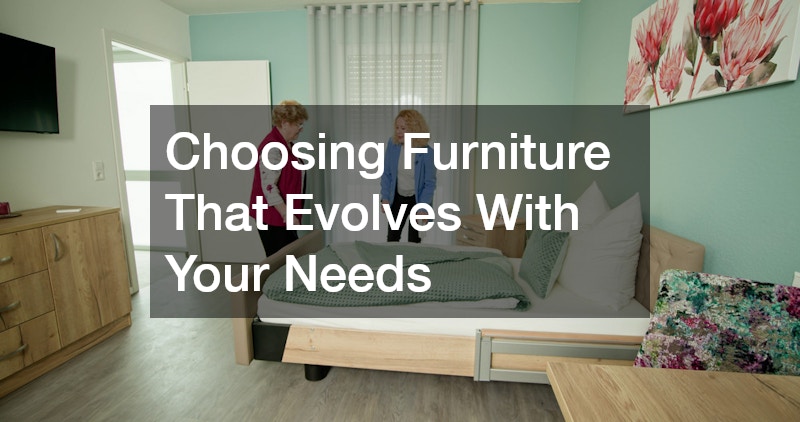
One of the simplest ways to introduce flexibility is through multi-functional furniture. Pieces that serve more than one purpose can dramatically expand how a space is used without adding clutter.
Consider options like:
- Expandable dining tables that adjust for gatherings
- Storage ottomans that provide both seating and hidden organization
- Sofa beds that turn living areas into overnight accommodations
The key is to prioritize pieces that transition easily. If converting a space feels complicated or time-consuming, you’re less likely to use that flexibility in real life. Smooth, intuitive adjustments make all the difference.
Using Modular Storage to Reduce Clutter Over Time
Storage is often where homes become rigid. Built-in solutions can be beautiful, but they don’t always adapt well as your needs change. Modular storage systems offer a more flexible alternative.
Adjustable shelving, stackable units, and reconfigurable closets allow you to shift layouts as your belongings evolve. For example, a shelving system that once held books can later be rearranged to display décor or store office supplies.
A practical approach is to:
- Start with a basic framework that fits your current needs
- Add or remove components as those needs shift
- Keep extra pieces stored for future adjustments
This prevents the cycle of constantly replacing furniture and helps maintain a consistent design throughout your home.
Maintain Your Upgrades With Smart Ongoing Habits
Upgrades don’t end once a project is complete. In many ways, the real value comes from maintaining those improvements over time.
Simple routines can preserve both comfort and style. Regular window cleaning keeps natural light flowing, while periodic check-ins with an HVAC company ensure your systems continue to run efficiently.
Rather than viewing maintenance as a chore, consider it part of your overall design strategy. A well-maintained home not only looks better but also feels more inviting and functions more effectively.
Creating a basic schedule can help:
- Monthly: light cleaning, visual inspections
- Quarterly: deeper cleaning and system checks
- Annually: professional maintenance and evaluations
These habits protect your investment and allow you to enjoy your space without constant disruptions or unexpected issues.
Creating a home that feels comfortable, stylish, and efficient doesn’t happen all at once. It’s the result of thoughtful decisions, small improvements, and a willingness to adapt your space over time.
By focusing on both visible design elements and the systems that support them, you can build an environment that not only looks good but truly works for your daily life. The most impactful upgrades are often the ones that quietly improve how you experience your home—day in and day out.