
Managing a home throughout the year comes with a long list of responsibilities. From preparing for winter storms to keeping cooling systems running during the summer, every season introduces new maintenance tasks and potential challenges. Without a plan in place, homeowners can quickly feel overwhelmed trying to keep up with repairs, inspections, landscaping, and energy costs while balancing work and family obligations.
Seasonal home management does not have to feel chaotic or time-consuming. A proactive approach allows homeowners to stay organized, reduce costly surprises, and maintain a more comfortable living environment year-round.
By breaking responsibilities into manageable tasks and addressing concerns before they become emergencies, homeowners can protect their investments and avoid unnecessary stress.
Preparing for Seasonal Maintenance Early
One of the most effective ways to reduce stress is to prepare for seasonal changes before they arrive. Waiting until the first snowfall to inspect a furnace or until a summer heatwave to service an air conditioner often leads to rushed decisions, expensive emergency calls, and avoidable disruptions. Planning gives homeowners time to schedule maintenance appointments, compare service providers, and address small issues before they escalate.
Spring is an ideal time to inspect roofing, gutters, and siding for damage caused by winter weather. Cleaning gutters and checking drainage systems can help prevent water intrusion and foundation issues during heavy rainstorms. Homeowners should also inspect outdoor faucets, irrigation systems, and landscaping to ensure everything is functioning properly after freezing temperatures.
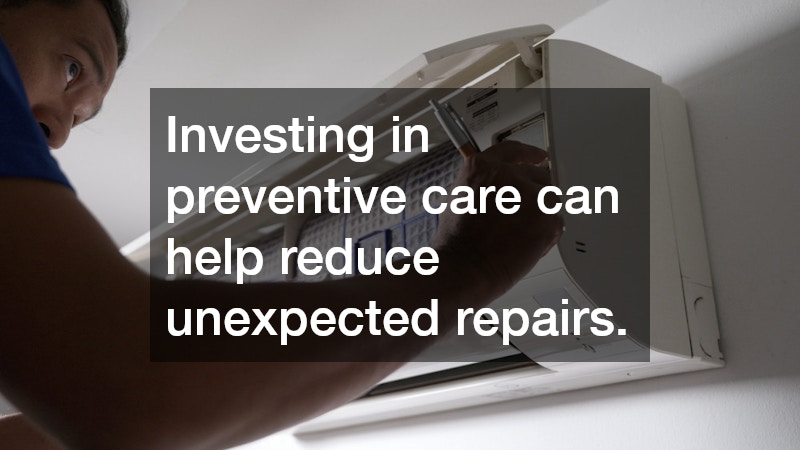
Summer preparation typically focuses on cooling systems, ventilation, and outdoor maintenance. Air conditioning units should be serviced regularly to improve efficiency and prevent breakdowns during periods of extreme heat. Checking windows and doors for air leaks can also help reduce energy costs while improving indoor comfort. Outdoor projects such as deck repairs, fence maintenance, and tree trimming are often easier to complete during warmer months.
Fall maintenance becomes especially important because it helps prepare the home for colder temperatures and severe weather. Heating systems should be inspected and serviced before winter arrives. Chimneys and fireplaces should also be cleaned to improve safety and efficiency. Many homeowners rely on home heating oil delivery services to keep their homes warm throughout the winter, so scheduling deliveries early can help avoid last-minute concerns during peak demand periods.
Winter home management often centers on safety and energy conservation. Homeowners should monitor insulation, seal drafts, and check pipes in vulnerable areas to reduce the risk of freezing. Snow and ice removal also play an important role in preventing slips, falls, and structural damage. Staying ahead of these responsibilities can make winter far less stressful and much more manageable.
Organizing Household Responsibilities Efficiently
Stress often develops when homeowners try to remember every seasonal responsibility without a structured system. Creating an organized home management routine can significantly improve efficiency and reduce the likelihood of overlooked maintenance tasks. A simple checklist or calendar can help homeowners track inspections, repairs, utility schedules, and service appointments throughout the year.
Many homeowners find it helpful to divide responsibilities into monthly or quarterly tasks. For example, changing HVAC filters, testing smoke detectors, and inspecting plumbing fixtures can become part of a recurring routine. Breaking larger responsibilities into smaller tasks prevents maintenance from piling up all at once and makes household management feel less overwhelming.
Digital tools can also simplify organization. Smartphone reminders, home maintenance apps, and digital calendars allow homeowners to schedule recurring tasks and receive alerts for important deadlines. Keeping records of warranties, repair invoices, and service histories in one accessible location can also save time when issues arise. Organized documentation makes it easier to track recurring problems and communicate with contractors when repairs are needed.
Delegating responsibilities can further reduce stress. Many homeowners attempt to handle every maintenance project themselves, even when professional assistance may be more efficient and cost-effective. Hiring experienced contractors for electrical work, HVAC servicing, or roofing repairs often saves time while reducing the risk of mistakes. Professional maintenance providers can also identify developing problems that homeowners may overlook.
Reducing Costs Through Preventive Care
Unexpected home repairs are one of the biggest sources of homeowner stress. Preventive maintenance plays a major role in reducing both financial strain and emergencies. Addressing small problems early is almost always less expensive than waiting until major repairs become necessary.
Routine HVAC servicing is one example of how preventive care can reduce costs over time. Heating and cooling systems operate more efficiently when they are cleaned, inspected, and maintained regularly. This not only lowers utility expenses but also extends the lifespan of expensive equipment. The same principle applies to roofing, plumbing, insulation, and appliances throughout the home.
Energy efficiency improvements can also help homeowners manage seasonal expenses more effectively. Upgrading insulation, sealing air leaks, and installing programmable thermostats can lower heating and cooling costs year-round. Replacing outdated appliances with energy-efficient models may require an upfront investment, but the long-term savings often justify the expense.
Seasonal budgeting is another useful strategy for reducing stress. Setting aside funds throughout the year for predictable maintenance costs helps homeowners avoid financial pressure when repairs or service appointments arise. Even small monthly contributions to a dedicated home maintenance fund can provide valuable peace of mind during emergencies.
By focusing on planning, organization, and regular maintenance, homeowners can simplify even the busiest seasons. Small steps taken consistently throughout the year often make the biggest difference in protecting both the home and the people living in it.