

Renovating your home is exciting, but if your roof is quietly falling apart above your head, that excitement can turn into a costly disaster. Many homeowners pour money into kitchen upgrades or new flooring while ignoring the one system protecting everything underneath it. Before you sign off on another renovation project, it pays to know whether your roof can actually handle the stress of construction activity, seasonal weather, and added years of wear. This guide walks through the warning signs that suggest your roof may be on its last legs, so you can plan accordingly instead of dealing with an emergency mid-renovation.
Sagging Rooflines and Structural Dips
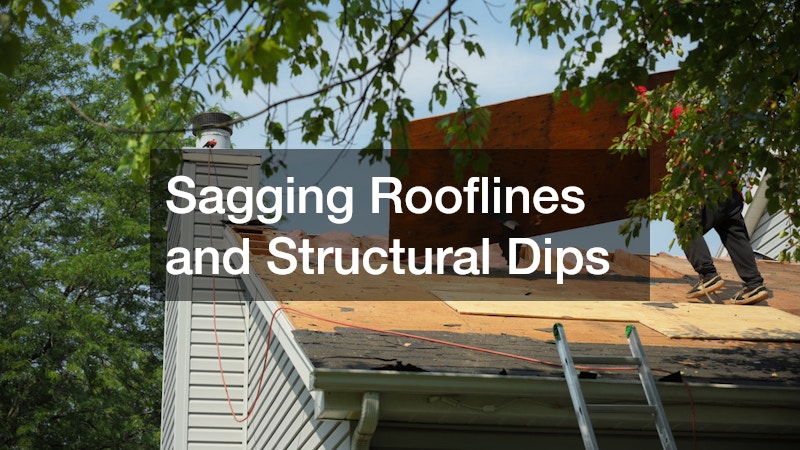
A roofline should be straight and even from ground level. If you notice dips, sagging, or a wavy appearance along the ridge or edges, that is a strong indicator of structural fatigue underneath the surface. A good way to check is to stand at the end of your house and sight down the ridge line, or use a level against the roof edge — any noticeable curve or bow is a red flag, not a cosmetic quirk.
This kind of damage often points to weakened decking, rotted rafters, or trusses that have been carrying too much weight for too long. Common culprits include water infiltration that has softened the wood over years, undersized rafters that were never adequate for the roof’s span, or layers of old shingles left underneath a new roof, adding hundreds of extra pounds. Sagging near the center of the roof usually signals truss failure, while dips near the edges often point to fascia or soffit rot.
Ignoring it means risking a partial collapse, especially if you add renovation equipment or materials on top of an already strained structure. Bundles of shingles, stacked lumber, or even a few workers walking the roofline can be enough to push a compromised frame past its limit. If sagging is visible from the street, it’s worth having a structural engineer or licensed contractor inspect the attic and framing before any renovation work begins, rather than assuming a simple reroof will solve the underlying problem.
Homeowners sometimes assume a little sag is cosmetic, but it rarely stays that way. A ridge line that dips even an inch or two below straight, or a roof plane that looks wavy from the curb, usually signals that the framing underneath has already lost some of its structural integrity. Once the wood framing starts to bow, the problem accelerates because water pooling in low spots adds even more weight and moisture damage, which softens rafters and decking even further.
A qualified inspector can tell you quickly whether the issue is isolated or widespread. They’ll typically check for uniform sagging versus a localized dip, measure the deflection against span length, and look for secondary clues like cracked interior drywall or doors that have started sticking. These details help determine whether you’re looking at a single beam replacement or a rebuild affecting multiple trusses.
Missing or Curling Shingles Across Large Areas
Shingles that are cracked, curling at the edges, or missing entirely are one of the most visible signs that your roof is nearing the end of its useful life. This is especially true if the damage covers more than a small, isolated patch. When shingles fail in clusters rather than individually, it usually means the entire batch has aged out together, and patch repairs will not hold for long.
- Curling edges that lift away from the roof surface
- Bald spots where granules have worn off completely
- Shingles that crack or break when walked on
- Large gaps exposing the underlayment or decking beneath
If you are planning a renovation that involves adding rooftop equipment, solar panels, or additional structures, this is the moment to evaluate whether roof repair will actually solve the problem or just delay a bigger expense. In many cases, widespread shingle failure signals that a full roof replacement company should be brought in for an honest assessment rather than a patchwork fix.
Persistent Leaks After Previous Repairs
A roof that keeps leaking even after being patched multiple times is telling you something important: the underlying problem was never actually fixed. Recurring leaks in the same spot, or new leaks appearing every rainy season, usually mean the roofing system has multiple failure points rather than one isolated issue. This is a common scenario homeowners run into right before a renovation, when suddenly water stains reappear on freshly painted ceilings.
Patching addresses symptoms, not causes. A contractor sealing a single shingle or applying roof cement over a crack may stop water intrusion for a few months, but if the decking underneath is already saturated or the flashing around a chimney has deteriorated, moisture will simply find a new path in. Three or more repair attempts on the same roof within a two- or three-year span is a strong signal that the material itself has reached the end of its service life.
Pay attention to where the leaks show up. Water stains near chimneys, skylights, and vent pipes often point to failed flashing rather than worn shingles, while leaks that migrate across the ceiling after heavy wind suggest wind-driven rain is getting under lifted or missing shingles. Dark streaks, sagging drywall, or a musty smell in the attic between rainstorms are signs the moisture problem is ongoing even when there’s no active rain.
If your roof has been patched repeatedly and still leaks, get a full inspection rather than another spot repair before starting any renovation. Investing in cosmetic upgrades over a roof with unresolved leaks risks damaging new insulation, drywall, and flooring within a single season.
If a leak reappears in the same spot, or a new stain shows up a season after a repair, that’s a signal the underlying problem was never actually fixed. Patching the surface without addressing what’s happening underneath just buys a little time before water finds its way back in. Chasing leaks one at a time can become an expensive and frustrating cycle.
Instead of continuing to call for spot fixes, it is worth having a broader conversation about whether your home needs a more comprehensive round of roofing services that address ventilation, flashing, and underlayment together. A blocked ridge vent, cracked flashing around a chimney, or worn underlayment can all produce the exact same water stain on a ceiling, which is why repeated single-point repairs so often miss the real cause. A qualified inspector can trace moisture paths and pinpoint whether the issue is structural, material-related, or simply age-related.
Granule Loss and Bare Asphalt Patches
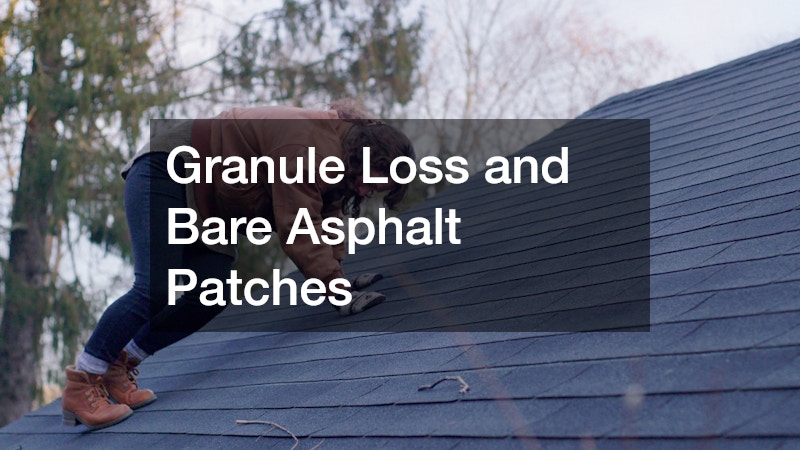
Asphalt shingles are coated with protective granules that shield the material from UV rays and rain. As a roof ages, these granules wear away, and you might notice them collecting in gutters or downspouts like coarse sand. Bare patches where the asphalt is visible mean the shingle has lost its protective layer and is now vulnerable to accelerated deterioration.
- Granules pooling at the bottom of gutters or downspouts
- Shiny or slick-looking patches on the shingle surface
- Faster fading or discoloration in sun-exposed areas
- Increased brittleness noticeable during light foot traffic
Granule loss alone does not always mean immediate failure, but it is a clear signal that the roof’s remaining lifespan is shrinking fast. If this pattern shows up across most of the roof rather than just one section, renovation plans should factor in the likelihood of needing roof installation sooner rather than later.
Soft or Spongy Decking Underfoot
Walking across a roof and feeling any give underfoot is a serious red flag. Spongy or soft decking usually indicates that moisture has penetrated the wood and started to cause rot from the inside out. This kind of damage is not always visible from the ground or even from inside the attic until it has progressed significantly.
Soft decking is especially risky during renovation work, since additional foot traffic, tools, or materials on the roof can cause the weakened wood to give way entirely. Professional roofing contractors typically test decking integrity by walking sections methodically and checking for movement or flex. If a large portion of the decking needs replacement, that is usually a strong indicator that a full overhaul makes more financial sense than isolated repairs.
Daylight Visible Through the Attic Boards
One of the simplest checks any homeowner can do is head into the attic during daylight hours and look up. If you can see light coming through the roof boards, that means there are gaps or holes significant enough to let in not just light, but also water, pests, and drafts. This test is quick, free, and often reveals problems that are not obvious from a ground-level inspection.
Along with checking for light, it helps to look for water stains, dark streaks, or damp insulation, all of which point to ongoing moisture intrusion. These issues tend to worsen quickly once renovation work adds vibration and additional stress to the structure. If daylight is visible in multiple spots, it is a strong signal that the decking has deteriorated well beyond a simple patch job, and any renovation plans should account for the likelihood of more extensive structural repairs before new finishes go in.
Frequent Energy Bill Increases Tied to Roof Condition
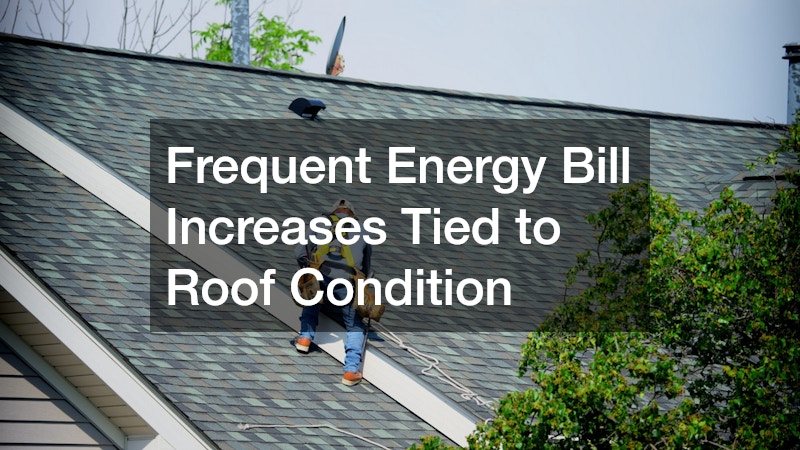
A failing roof does not just let water in; it also lets conditioned air escape. If your heating and cooling costs have crept up over the past year or two without any other explanation, poor roof ventilation or insulation gaps could be the culprit. This is easy to overlook because homeowners often blame windows, doors, or HVAC systems first.
- Uneven temperatures between rooms on the top floor
- Ice dams forming along the eaves in winter months
- Excessive attic heat buildup during summer
- Noticeable drafts near ceiling fixtures or vents
Addressing ventilation and insulation issues during a renovation is smart, but only if the roof itself is sound enough to support the changes. Many local roofers can perform an energy efficiency assessment alongside a standard inspection, which gives you a clearer picture of whether repairs or a full replacement will actually solve the underlying problem.
Roof Age Approaching or Exceeding Its Expected Lifespan
Every roofing material has a general lifespan, and knowing where your roof falls on that timeline is essential before committing to renovation plans. It is worth digging up old paperwork or asking neighbors with similar homes when their roofs were last replaced, since houses built in the same development often share installation timelines. A reputable roofing company can also estimate age based on shingle style, wear patterns, and material type if records are unavailable, and comparing quotes from a few different roofing companies can give you a better sense of realistic replacement costs. Knowing this number helps you decide whether renovation funds should go toward interior upgrades or toward the roof itself first.
Multiple Roofing Layers From Past Installations
Some older homes have two or even three layers of shingles stacked on top of each other from previous renovation cycles. While this was once a common shortcut to avoid the cost of tearing off old material, it adds significant weight to the structure and can void warranties on new materials. Multiple layers also make it harder to spot deck damage since inspectors cannot see the wood underneath without removing everything first.
If your home has gone through several rounds of roofing installation without ever stripping back to the original decking, it is likely overdue for a full evaluation. Building codes in many areas now limit the number of layers allowed, meaning a full tear-off may be required before any new renovation work can proceed. This is one of the clearest scenarios where established roofing businesses recommend starting fresh rather than adding yet another layer on top.
Recognizing these warning signs early gives you the power to make informed decisions instead of reacting to an emergency mid-project. A roof in poor condition can compromise every other renovation investment you make, from new flooring to updated electrical systems below it. Take time to walk your attic, check your shingles, and track any patterns in leaks or energy costs before finalizing your renovation budget. Getting a professional opinion now costs far less than discovering structural failure once construction is already underway.