
Choosing materials for a home project used to mean flipping through catalogs for the latest color trend or trendy texture. This year, more homeowners are shifting their focus toward materials that hold up under daily wear, resist weather damage, and reduce long-term maintenance costs. That shift matters because the wrong choice can mean redoing a project within a few years instead of enjoying it for decades. This article breaks down where durability is beating out style-first decisions across the most common home upgrades.
Exterior Cladding Choices That Outlast the Elements
Homeowners replacing their exterior cladding are increasingly prioritizing materials that can survive hail, wind-driven rain, and temperature swings without cracking or fading. Fiber cement and engineered wood products have gained ground because they resist warping better than older materials while still offering a range of finishes. A reputable siding company can walk you through impact ratings, warranty terms, and how each material performs in your specific climate zone. Making this decision with performance data in hand, rather than just a sample chip, tends to save money over the life of the house.
Beyond the material itself, proper installation plays a huge role in how long exterior cladding lasts. Poorly sealed seams or improperly flashed windows can undermine even the toughest product. Ask for references and photos of completed jobs in similar climates before committing to a crew.
Groundwater Access and Private Water Systems
For homeowners outside city water lines, reliable access to groundwater is a foundational concern that trumps any cosmetic upgrade. Well drilling has become more precise thanks to better geological surveying, which helps homeowners avoid dry holes and reduces the guesswork that used to make private water systems risky investments. A properly drilled and cased well can supply a household reliably for generations with minimal intervention.
Water quality testing should accompany any new well installation, since mineral content and contamination risk vary significantly by region. Regular maintenance, including pump inspections and casing checks, keeps the system functioning without unexpected failures. Homeowners who treat their water source as critical infrastructure, rather than an afterthought, tend to avoid costly emergency repairs later.
Flooring Materials That Handle Heavy Daily Use
Flooring trends come and go, but homeowners with garages, basements, and workshops are gravitating toward surfaces built for abuse rather than looks alone. Epoxy concrete flooring has surged in popularity because it resists oil stains, chemical spills, and heavy foot traffic without chipping or peeling like paint-based coatings. It also creates a seamless surface that’s easier to clean than tile or unsealed concrete, which matters for anyone using the space for hobbies, vehicle maintenance, or storage.
The application process matters as much as the product itself. A properly prepped and cured epoxy floor can last over a decade, while a rushed job may bubble or peel within a year or two. Homeowners should ask contractors about surface preparation steps, moisture testing, and cure times before signing off on a project.
Outdoor Walkways Built to Handle Weather and Foot Traffic

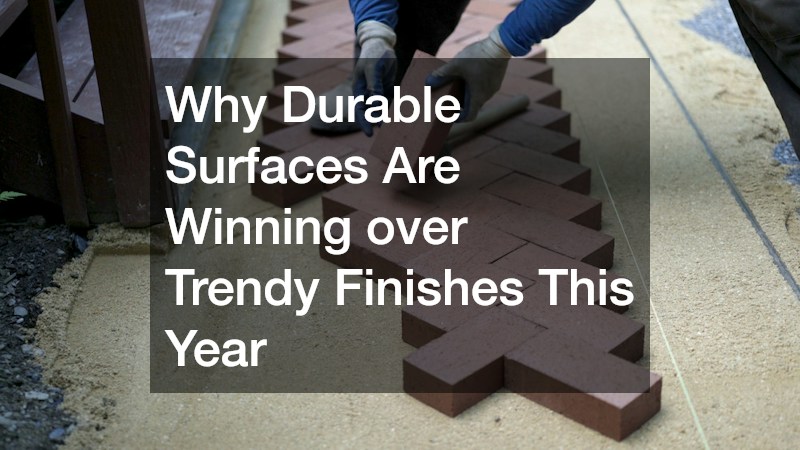
Pathways and patios take a beating from freeze-thaw cycles, foot traffic, and UV exposure, which is why more homeowners are choosing materials designed to handle these stresses rather than purely decorative options. A poured concrete slab that looks pristine in October can develop hairline cracks by March once repeated freezing and thawing works its way into the surface. Segmented materials sidestep this problem entirely by giving the ground room to move without transferring stress to a single rigid slab. Walkway pavers made from dense concrete or natural stone resist cracking better than poured slabs because their segmented design allows for slight shifting without visible damage. Each paver acts independently, so soil expansion, root growth, or minor settling shows up as a subtle gap rather than a spiderweb crack across an entire walkway. This makes repairs simpler too, since a single damaged paver can be popped out and replaced without tearing up the whole path. This flexibility makes them a smart choice in regions with harsh winters or expansive clay soil, where ground movement is a near-annual occurrence. Homeowners in freeze-thaw climates often see pavers rated for at least 8,000 PSI compressive strength, well above the 3,000-4,000 PSI typical of standard poured concrete. Combined with a properly compacted gravel base and polymeric sand joints, this construction method routinely outlasts slab installations by a decade or more while requiring far less patchwork maintenance along the way.
- Interlocking pavers allow for easier spot repairs — a single cracked or stained unit can be popped out and replaced in minutes without disturbing the surrounding walkway
- Permeable paver options help manage stormwater runoff around the foundation by letting water filter through joints into a gravel base instead of pooling or draining toward the house
- Natural stone options like bluestone, travertine, and granite resist fading better than dyed concrete alternatives, which can visibly lighten within a few years of sun exposure
- Proper base preparation — typically 4 to 6 inches of compacted gravel topped with coarse sand — prevents shifting and uneven settling over time
- Freeze-thaw cycles in colder climates make base depth and drainage especially critical, since inadequate prep is the leading cause of heaving pavers
- Edge restraints along the perimeter keep pavers locked in place, reducing gradual spreading caused by regular foot traffic
Commercial Roof Systems Designed for Long-Term Performance
Business owners face a different set of pressures than homeowners when it comes to roofing, since downtime and leaks can directly affect operations. A commercial roofer typically recommends membrane systems like TPO or EPDM for flat or low-slope roofs because they offer strong resistance to ponding water and UV degradation. These systems also tend to have longer warranty periods than older built-up roofing methods, which reduces the frequency of costly overhauls.
Regular inspections matter just as much as material choice when it comes to commercial roofing longevity. Small punctures or seam separations can go unnoticed for months without a scheduled maintenance plan, leading to interior water damage that’s far more expensive to fix than the original roofing issue. Building owners who budget for annual inspections tend to avoid emergency repair costs down the road.
Residential Roof Materials That Reduce Replacement Frequency
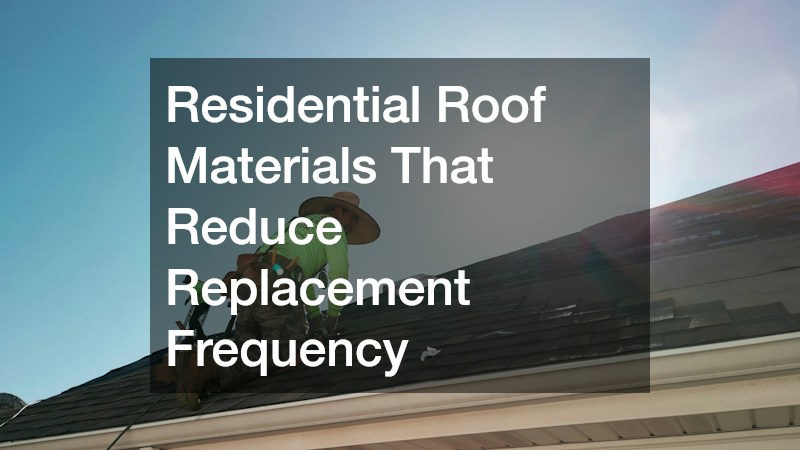
On the residential side, homeowners are moving away from short-lived shingle options toward materials rated for thirty years or more. Metal roofing, in particular, has grown in popularity because it resists impact damage, sheds snow effectively, and reflects heat better than traditional asphalt shingles. Working with experienced roofing contractors ensures the underlayment, ventilation, and flashing details are handled correctly, since these components affect the roof’s lifespan just as much as the surface material itself.
- Metal roofing can last 40 to 70 years with proper installation
- Impact-resistant shingles carry better warranties in hail-prone regions
- Proper attic ventilation extends roof lifespan by preventing moisture buildup
- Annual inspections catch minor issues before they become structural problems
Planning a Whole-House Renovation With Longevity in Mind
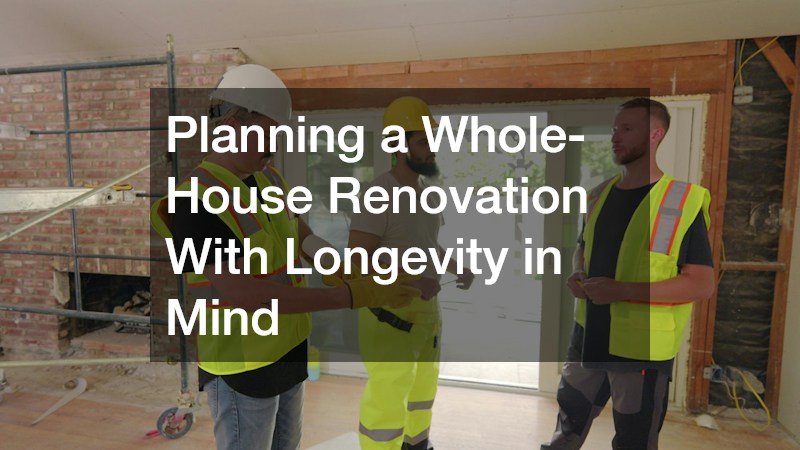
Large-scale renovations offer a chance to rethink not just aesthetics but the underlying systems that keep a house functioning. Homeowners approaching home remodeling projects this year are asking contractors more pointed questions about material lifespan, energy efficiency, and maintenance requirements rather than just choosing finishes based on current design trends. This shift reflects a broader understanding that resale value and daily livability both benefit from durable choices. That mindset shows up early in the planning process, often before a single sample board gets pulled together. Contractors report more clients requesting side-by-side comparisons of expected lifespan — quartz countertops rated for 25-plus years versus laminate that may need replacing within a decade, or fiber-cement siding built to withstand 30-50 years of weather exposure compared to vinyl alternatives that degrade faster in extreme climates. Homeowners are also factoring in warranty terms and manufacturer-backed performance guarantees as part of their decision-making, not just sticker price. Whole-house projects also invite a systems-level conversation that single-room updates rarely require. Flooring, roofing, plumbing, and HVAC choices all get evaluated together, since a mismatch in expected service life can mean tearing into finished walls or floors again sooner than planned. Many homeowners now ask contractors to map out a rough replacement timeline for each major component, so nothing gets buried behind drywall only to fail years ahead of everything else around it.
Budgeting for a renovation should account for the fact that durable materials often cost more upfront but reduce replacement and repair costs over time. Quartz countertops, for example, may run 15-20% more than laminate, but they can last decades without needing resealing, refinishing, or replacement — costs that add up quickly with cheaper alternatives. The same logic applies to flooring, roofing, and cabinetry: a modest premium now often prevents a full redo within five to ten years. Getting multiple quotes and asking for material specifications, not just price estimates, helps homeowners compare options accurately. Two bids that look similar on price can involve very different products underneath — one contractor may quote solid hardwood while another substitutes engineered veneer, for instance. Requesting product names, warranty terms, and installation methods in writing makes it easier to spot these differences before signing a contract. It’s also worth thinking room by room, since not every space demands the same level of durability. Kitchens, bathrooms, and entryways see the heaviest daily wear and justify investing in tougher, longer-lasting materials, while lower-traffic areas like guest bedrooms can accommodate more modest budgets. This kind of prioritization stretches a renovation budget further without sacrificing durability where it matters most. A renovation planned around longevity tends to hold its value better when it comes time to sell. Appraisers and buyers increasingly notice quality materials, and homes with proven, low-maintenance finishes often appraise higher and sell faster than those with trendy but short-lived upgrades.
Bathroom Upgrades That Withstand Moisture and Daily Wear
Bathrooms face constant exposure to moisture, which makes material selection especially important in this part of the house. Many bathroom remodeling companies now steer clients toward moisture-resistant substrates, quartz countertops, and porcelain tile because these materials resist mold, staining, and cracking far better than older alternatives like laminate or natural stone with high porosity. These choices also tend to require less sealing and upkeep over time.
- Quartz countertops resist staining and don’t require periodic sealing
- Porcelain tile handles moisture better than natural stone in wet areas
- Proper ventilation fans reduce mold growth behind walls and under flooring
- Waterproof membrane systems prevent hidden leaks from spreading
Foundation and Concrete Work That Supports Everything Above It
No surface upgrade matters much if the foundation beneath it is compromised, which is why concrete contractors report growing interest in reinforced footings, proper drainage grading, and crack repair before cosmetic work begins. Settling, moisture intrusion, and freeze-thaw cycles all put stress on a home’s foundation over time, and addressing these issues early prevents more expensive structural repairs later. A hairline crack left unsealed today can widen into a quarter-inch gap within a few seasons, letting water seep in and accelerating rebar corrosion beneath the slab. Homeowners investing in new construction or additions should prioritize soil testing and proper reinforcement before finishing touches are even discussed. Expansive clay soils, common in many regions, can shift several inches between wet and dry seasons, so a geotechnical report often dictates whether a project needs deeper footings, helical piers, or a thicker reinforced slab. Skipping this step to save a few thousand dollars upfront frequently costs homeowners tens of thousands later in foundation underpinning. Grading matters just as much as the concrete itself. Experts generally recommend a slope of at least six inches over the first ten feet away from the house to keep water from pooling against the foundation wall. Combined with properly installed footing drains and downspout extensions, this simple, low-cost measure can prevent the kind of chronic moisture problems that undermine even the most carefully poured foundation.
Concrete work also extends to driveways, patios, and structural slabs, all of which benefit from proper mix design and curing practices. The right water-to-cement ratio, adequate reinforcement with rebar or wire mesh, and control joints placed at the correct intervals all determine whether a slab lasts decades or starts crumbling within a few winters. Climate matters too: concrete poured in freeze-thaw regions needs air-entrainment additives to prevent moisture from expanding inside the material and causing it to flake apart. Cutting corners on concrete work to save money upfront often results in cracking and settling within just a few years. Rushed curing times are one of the most common culprits, since concrete needs consistent moisture for at least a week to reach its intended strength. Poor soil compaction beneath a slab is another frequent issue, leading to uneven settling that shows up as visible dips or cracks in a driveway or patio surface. Choosing a contractor with a track record of long-lasting work pays off far more than choosing the lowest bid. Ask to see examples of projects that are five or ten years old rather than freshly poured ones, since that’s the real test of durability. A slightly higher upfront cost for proper site prep and quality materials is a small price compared to the expense of tearing out and replacing failed concrete later.
Garage Entry Systems That Balance Security and Efficiency

Garage doors take a lot of daily wear, from constant opening and closing to temperature swings that can warp older materials. Homeowners considering garage door replacement this year are leaning toward insulated steel and composite models because they hold up better against dents, weather exposure, and warping than older wood or thin aluminum panels. These materials also improve energy efficiency by reducing heat transfer into attached garages.
- Insulated doors reduce energy loss in attached garages
- Composite materials resist dents better than traditional aluminum panels
- Modern openers include safety sensors and smartphone connectivity
- Steel doors with proper coating resist rust in humid climates
Across every part of the home, from the roof down to the foundation, the pattern this year is clear: homeowners are prioritizing materials that perform well over time rather than ones that simply look good today. Making informed choices now, backed by research and honest conversations with experienced professionals, prevents costly redos down the road. Whether you’re planning a small upgrade or a full renovation, start by asking about material lifespan and maintenance needs before finishes and colors. That single shift in priorities can save significant money and stress in the years ahead.