
Windows play an important role in a home’s comfort, energy efficiency, appearance, and security. They allow natural light into living spaces, provide ventilation, and help maintain comfortable indoor temperatures throughout the year. However, windows can deteriorate with age, weather exposure, and everyday use. Recognising when replacement is necessary can help homeowners avoid ongoing maintenance issues and improve their property’s overall condition.
Although some window problems can be resolved with simple repairs, others indicate that a complete replacement may be the more practical solution. Understanding the warning signs can help homeowners make informed decisions about maintaining their properties.
Persistent Drafts and Temperature Changes
One of the most noticeable signs that windows may need replacing is the presence of drafts. If cold air enters during winter or warm air seeps inside during summer, the windows may no longer provide an effective seal. Worn weatherstripping, damaged frames, and deteriorating seals can all contribute to unwanted air movement.
Homeowners may also notice that certain rooms remain uncomfortable regardless of the thermostat setting. Older windows with outdated glass technology can make it more difficult to maintain consistent indoor temperatures.
Replacing inefficient windows with modern alternatives can improve insulation and reduce the strain on heating and cooling systems. Professional residential glass services can help homeowners evaluate existing windows and identify suitable replacement options for their property’s needs.
Rising Energy Bills
Unexpected increases in heating and cooling expenses may indicate that windows are contributing to energy loss. When windows allow heat to escape during colder months or enter during warmer weather, HVAC systems must work harder to maintain comfortable conditions.
Although several factors can affect energy consumption, inefficient windows are worth investigating when utility bills continue to rise. Single-pane windows, damaged seals, and poorly insulated frames can be particularly problematic in homes with older installations.
Modern replacement windows may feature double or triple glazing, low-emissivity coatings, and insulated frames. These features can help reduce unwanted heat transfer and improve indoor comfort.
Before investing in new windows, homeowners can arrange an assessment to determine whether replacement is likely to address the problem. Comparing available options can also help identify products that balance energy performance, durability, and cost.
Condensation Between Glass Panes
Condensation on the inside surface of a window can occur when warm, humid indoor air meets cold glass. Depending on the circumstances, improving ventilation or managing indoor humidity may resolve the issue.
However, moisture trapped between the panes of double-glazed or triple-glazed windows is a different concern. It often indicates that the insulated glass unit’s seal has failed, allowing moisture to enter the space between the panes.
This problem can create a cloudy or foggy appearance that interferes with visibility and reduces the window’s visual appeal. The damage may also compromise the insulating performance of the unit.
Depending on the window’s construction and condition, replacing the insulated glass unit may be possible without replacing the entire frame. A professional residential glass specialist can determine whether a glass-only replacement is appropriate or whether a complete window replacement would provide better long-term value.
Visible Damage and Deteriorating Frames
Physical damage is another important reason to consider replacing windows. Cracked glass, warped frames, rotting wood, and corroded metal components can affect both appearance and performance.
Minor issues may sometimes be repaired, but extensive deterioration can compromise a window’s ability to operate properly and protect the home from the elements. Wooden frames with significant rot, for example, may no longer provide a stable structure for the glass.
Cracked glass should also be addressed promptly because it can create a safety hazard and may worsen over time. Homeowners should avoid handling damaged panes themselves and arrange professional assistance.
When damage affects several components or continues to return despite repairs, replacement may be a more reliable investment. New windows can improve functionality while giving the property’s exterior a cleaner, more updated appearance.
Difficulty Opening, Closing, or Locking Windows
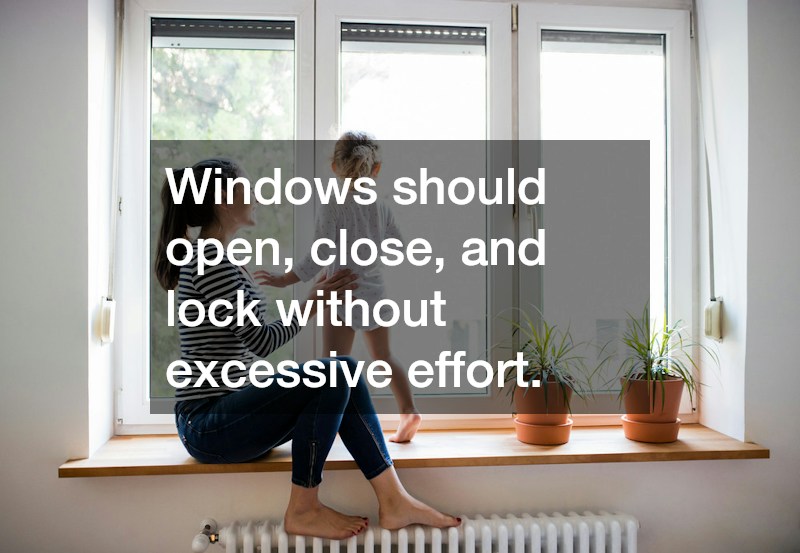
Windows should open, close, and lock without excessive effort. If a window repeatedly sticks, refuses to stay open, or fails to latch securely, its hardware or frame may be damaged or misaligned.
Sometimes, cleaning the tracks, lubricating appropriate moving components, or adjusting the hardware can resolve these issues. However, persistent problems may indicate frame deterioration, shifting, or general wear.
Security is particularly important when deciding whether to replace a window. Damaged locks and windows that cannot close completely may leave a home more vulnerable to unauthorised entry.
An inspection can help establish whether repairs will restore proper operation or whether replacement is necessary. Modern window designs offer various locking mechanisms and operating styles, allowing homeowners to select options that suit their preferences and security requirements.
Excessive Outside Noise
Windows also influence how much outdoor noise enters a home. If traffic, neighbourhood activity, or other environmental sounds become increasingly noticeable indoors, older or poorly sealed windows may be contributing to the problem.
Although window replacement cannot eliminate every outside sound, certain designs can provide better sound insulation. Multiple glass panes, suitable glazing thicknesses, and properly sealed frames can help reduce noise transmission.
Homeowners who work remotely, have bedrooms facing busy streets, or simply prefer quieter indoor environments may benefit from evaluating their current windows. A professional can explain which glazing options are appropriate for the property’s location and noise concerns.
Deciding Between Window Repairs and Replacement
Not every window problem requires a complete replacement. The right decision depends on the extent of the damage, the age of the installation, the availability of replacement parts, and the expected cost of continued repairs.
If the frames remain structurally sound and the problem involves a replaceable component, a targeted repair may be sufficient. However, widespread deterioration, repeated seal failures, poor energy performance, or multiple operational problems may make replacement more economical over time.
When reviewing residential glass options, homeowners should consider durability, insulation, maintenance requirements, appearance, and professional installation. Comparing estimates and understanding the scope of the work can also help prevent unexpected expenses.
Keep Your Home Comfortable and Secure
Knowing when to replace windows helps homeowners maintain a comfortable, attractive, and functional property. Persistent drafts, rising energy bills, condensation between panes, visible damage, operating difficulties, and excessive noise can all signal that existing windows need attention.
Addressing these issues early may prevent further deterioration and help homeowners plan improvements before problems become more disruptive. A professional assessment can clarify whether repairs are sufficient or replacement is the better long-term choice.
By evaluating window condition and exploring suitable replacement options, homeowners can make practical decisions that support their property’s comfort, appearance, and performance for years to come.