Protecting your home from fire hazards is one of the most important responsibilities any homeowner has. While smoke alarms and fire extinguishers are valuable tools, they cannot take the place of a system that actively works to control a fire the moment it starts. That is why more homeowners are turning to fire sprinkler installation as a reliable way to safeguard their property and their families. Understanding how these systems work, what the installation process involves, and what benefits they offer can help you make an informed decision when upgrading your home’s safety.
Fire sprinkler installation is no longer limited to commercial buildings or large facilities. Advances in residential systems have made sprinklers more discreet, affordable, and efficient than ever before. Whether you are building a new home or upgrading an existing one, knowing the essentials of installation will help ensure the system is effective and compliant with safety regulations.
Why Fire Sprinkler Installation Matters
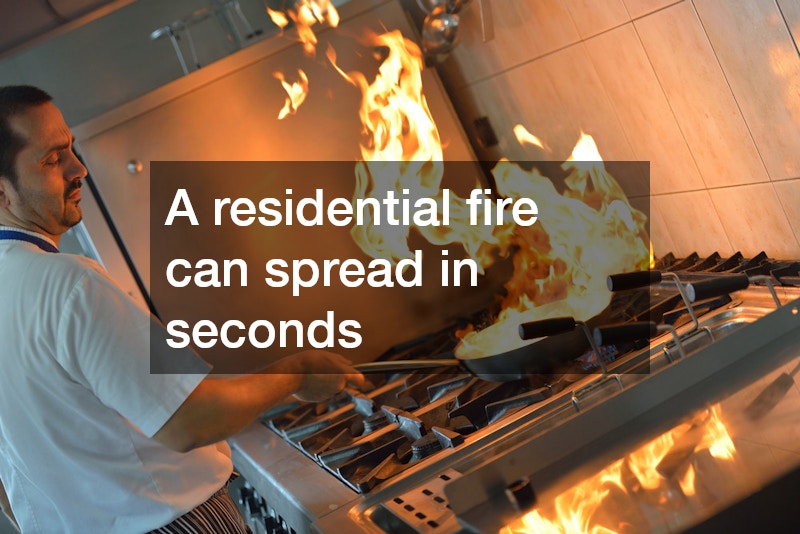
A residential fire can spread in seconds, especially in modern homes filled with synthetic materials that burn quickly. Fire sprinkler installation provides immediate response, often controlling or extinguishing a fire before firefighters even arrive. This reduces property damage, lowers the risk of injury, and increases the chances that your family can safely evacuate.
Many homeowners are surprised to learn that individual sprinkler heads activate only when temperatures reach a specific threshold. This means that a small fire in one room will not set off sprinklers throughout the entire house. Instead, the system responds only where needed, reducing water damage and keeping the situation under control.
A well-planned fire sprinkler installation integrates seamlessly into the home’s structure while remaining ready to act at a moment’s notice. This balance of efficiency and protection is why many code officials, insurance companies, and safety experts recommend sprinkler systems for residential properties.
How Residential Sprinkler Systems Work
Before investing in fire sprinkler installation, it helps to understand the system’s basic components. A typical setup includes piping, sprinkler heads, valves, and a reliable water source. When a room reaches the temperature threshold—usually around 155 degrees Fahrenheit—the heat causes the sprinkler head to release water immediately. Unlike what many people assume, only the sprinkler nearest the fire activates, ensuring targeted response and minimized water usage.
Modern sprinkler heads are designed to be discreet and blend easily into ceilings and walls. Some are concealed behind decorative plates that drop away when exposed to heat. This design makes residential systems visually appealing without sacrificing functionality.
The system’s water supply can come from the home’s main line or a dedicated storage tank, depending on local requirements and the structure of the house. A licensed professional will assess the property to determine the best approach for your fire sprinkler installation.
The Fire Sprinkler Installation Process
Installing a residential system involves careful planning and adherence to safety codes. The first step is evaluating the layout of the home. The installer examines ceiling heights, room sizes, and potential fire hazards to determine where sprinkler heads should be placed. Every room typically requires coverage, including living areas, bedrooms, basements, and sometimes garages.
Once the design is finalized, the installer begins routing pipes through the walls and ceilings. In new construction, this process is straightforward because the framing is exposed. However, fire sprinkler installation in an existing home is also possible and can be completed with minimal disruption when handled by an experienced technician.
After the pipes and sprinkler heads are installed, the system is connected to a reliable water source. The installer performs pressure tests, checks for leaks, and ensures that each component functions correctly. When the work is complete, the homeowner receives documentation confirming that the system meets local codes and safety standards.
Costs and Factors to Consider
The cost of fire sprinkler installation varies depending on the home’s size, layout, and the type of system used. New homes tend to be more cost effective because installation can be completed before drywall is added. Existing homes may require additional labor to work around finished walls or ceilings.
Despite the cost, many homeowners view the investment as worthwhile due to the long-term safety benefits. Some insurance companies even offer premium discounts for homes with sprinkler systems installed. Lower repair costs in the event of a fire can also offset the initial expense.
It is important to hire a qualified and licensed installer who understands residential systems and local safety requirements. Fire sprinkler installation is a specialized task, and proper design and execution are essential for the system to perform effectively during an emergency.
Maintaining Your Fire Sprinkler System
Once your system is installed, regular maintenance ensures it continues to operate correctly. Homeowners should avoid painting over sprinkler heads or obstructing them with furniture or décor. A visual inspection every few months helps identify any damage or obstructions.
Professional inspections are typically recommended annually. The technician checks valves, water pressure, and each sprinkler head to ensure everything is functioning as intended. Proper maintenance extends the life of the system and provides ongoing peace of mind.
Fire sprinkler installation is one of the most effective ways to protect your home from fire-related damage and danger. These systems act quickly, reduce risk, and provide a dependable layer of safety that goes far beyond traditional prevention methods. By understanding how the installation process works and how to maintain the system, homeowners can make confident decisions that enhance the safety and security of their property.
Protecting your home from fire hazards is one of the most important responsibilities any homeowner has. While smoke alarms and fire extinguishers are valuable tools, they cannot take the place of a system that actively works to control a fire the moment it starts. That is why more homeowners are turning to fire sprinkler installation as a reliable way to safeguard their property and their families. Understanding how these systems work, what the installation process involves, and what benefits they offer can help you make an informed decision when upgrading your home’s safety.
Fire sprinkler installation is no longer limited to commercial buildings or large facilities. Advances in residential systems have made sprinklers more discreet, affordable, and efficient than ever before. Whether you are building a new home or upgrading an existing one, knowing the essentials of installation will help ensure the system is effective and compliant with safety regulations.
Why Fire Sprinkler Installation Matters
A residential fire can spread in seconds, especially in modern homes filled with synthetic materials that burn quickly. Fire sprinkler installation provides immediate response, often controlling or extinguishing a fire before firefighters even arrive. This reduces property damage, lowers the risk of injury, and increases the chances that your family can safely evacuate.
Many homeowners are surprised to learn that individual sprinkler heads activate only when temperatures reach a specific threshold. This means that a small fire in one room will not set off sprinklers throughout the entire house. Instead, the system responds only where needed, reducing water damage and keeping the situation under control.
A well-planned fire sprinkler installation integrates seamlessly into the home’s structure while remaining ready to act at a moment’s notice. This balance of efficiency and protection is why many code officials, insurance companies, and safety experts recommend sprinkler systems for residential properties.
How Residential Sprinkler Systems Work
Before investing in fire sprinkler installation, it helps to understand the system’s basic components. A typical setup includes piping, sprinkler heads, valves, and a reliable water source. When a room reaches the temperature threshold—usually around 155 degrees Fahrenheit—the heat causes the sprinkler head to release water immediately. Unlike what many people assume, only the sprinkler nearest the fire activates, ensuring targeted response and minimized water usage.
Modern sprinkler heads are designed to be discreet and blend easily into ceilings and walls. Some are concealed behind decorative plates that drop away when exposed to heat. This design makes residential systems visually appealing without sacrificing functionality.
The system’s water supply can come from the home’s main line or a dedicated storage tank, depending on local requirements and the structure of the house. A licensed professional will assess the property to determine the best approach for your fire sprinkler installation.
The Fire Sprinkler Installation Process
Installing a residential system involves careful planning and adherence to safety codes. The first step is evaluating the layout of the home. The installer examines ceiling heights, room sizes, and potential fire hazards to determine where sprinkler heads should be placed. Every room typically requires coverage, including living areas, bedrooms, basements, and sometimes garages.
Once the design is finalized, the installer begins routing pipes through the walls and ceilings. In new construction, this process is straightforward because the framing is exposed. However, fire sprinkler installation in an existing home is also possible and can be completed with minimal disruption when handled by an experienced technician.
After the pipes and sprinkler heads are installed, the system is connected to a reliable water source. The installer performs pressure tests, checks for leaks, and ensures that each component functions correctly. When the work is complete, the homeowner receives documentation confirming that the system meets local codes and safety standards.
Costs and Factors to Consider
The cost of fire sprinkler installation varies depending on the home’s size, layout, and the type of system used. New homes tend to be more cost effective because installation can be completed before drywall is added. Existing homes may require additional labor to work around finished walls or ceilings.
Despite the cost, many homeowners view the investment as worthwhile due to the long-term safety benefits. Some insurance companies even offer premium discounts for homes with sprinkler systems installed. Lower repair costs in the event of a fire can also offset the initial expense.
It is important to hire a qualified and licensed installer who understands residential systems and local safety requirements. Fire sprinkler installation is a specialized task, and proper design and execution are essential for the system to perform effectively during an emergency.
Maintaining Your Fire Sprinkler System
Once your system is installed, regular maintenance ensures it continues to operate correctly. Homeowners should avoid painting over sprinkler heads or obstructing them with furniture or décor. A visual inspection every few months helps identify any damage or obstructions.
Professional inspections are typically recommended annually. The technician checks valves, water pressure, and each sprinkler head to ensure everything is functioning as intended. Proper maintenance extends the life of the system and provides ongoing peace of mind.
Fire sprinkler installation is one of the most effective ways to protect your home from fire-related damage and danger. These systems act quickly, reduce risk, and provide a dependable layer of safety that goes far beyond traditional prevention methods. By understanding how the installation process works and how to maintain the system, homeowners can make confident decisions that enhance the safety and security of their property.