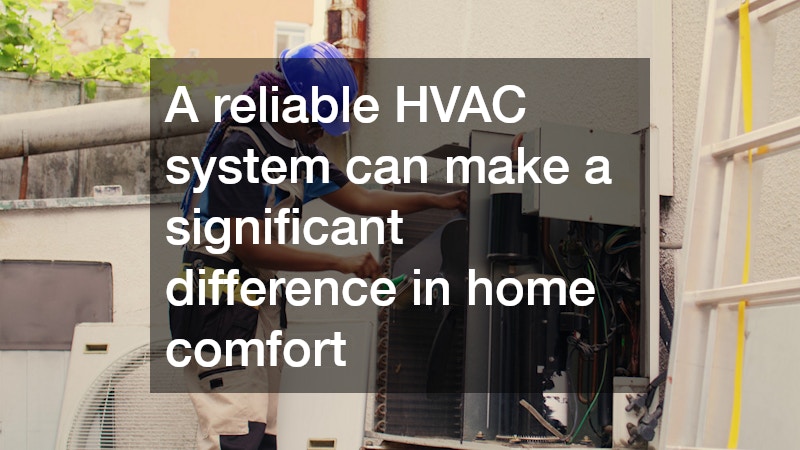

Seattle homeowners rely on their heating and cooling systems to maintain a comfortable indoor environment throughout the year. The region’s cool, wet winters and mild summers can put different demands on residential HVAC equipment, making reliable performance important. When a system begins behaving differently, recognizing the warning signs and understanding the available options can help homeowners address concerns before they become more disruptive.
HVAC repair in Seattle can involve everything from addressing airflow problems to replacing worn components. However, homeowners do not always know when professional service is necessary or what factors should be considered when deciding between repair and replacement.
Learning about common warning signs, local weather considerations, maintenance, and professional inspections can help homeowners make informed decisions about their systems.
Recognizing Signs of HVAC Problems
An HVAC system can show several warning signs when something is not operating correctly. One of the most noticeable is inconsistent indoor temperatures. If some rooms feel significantly warmer or cooler than others, the problem could involve airflow, ductwork, the thermostat, or another component.
Unusual noises can also indicate that something needs attention. Rattling, grinding, squealing, buzzing, or banging sounds may be associated with loose parts, worn components, or electrical issues. While HVAC equipment naturally produces some operational sounds, a sudden change should not be overlooked.
Strange odors are another potential warning sign. A musty smell may be associated with moisture or buildup, while a burning odor could indicate an electrical or mechanical concern. Homeowners who notice persistent or unusual smells should have the system evaluated rather than continuing to operate it without investigating the cause.
Frequent cycling can also indicate a problem. A system that repeatedly turns on and off without effectively maintaining the thermostat setting may be experiencing an airflow issue, thermostat problem, or another performance concern.
Considering Seattle’s Climate
Seattle’s climate can influence how residential HVAC systems operate. Heating equipment may receive significant use during the cooler months, while air conditioning can become increasingly important during warmer periods.
The region’s damp conditions can also make indoor humidity an important consideration. Excess moisture may contribute to comfort concerns and can affect certain components or indoor air quality if underlying problems are not addressed.
Because HVAC systems can experience seasonal demands, homeowners should pay attention to changes in performance before peak heating or cooling periods. Addressing a developing problem before equipment is heavily needed may reduce the inconvenience of an unexpected breakdown.
Seasonal weather can also expose existing weaknesses in an HVAC system. Equipment that appears to operate adequately during mild conditions may struggle when temperatures become more extreme. Regular inspections and maintenance can help identify potential concerns before they interfere with home comfort.
Knowing When Professional Service Is Necessary
Some basic HVAC tasks can be handled by homeowners, such as replacing an air filter or checking thermostat settings. More complex problems, however, should generally be evaluated by a qualified technician.
Electrical components, refrigerant systems, gas connections, and internal mechanical parts can require specialized knowledge and equipment. Attempting to repair these components without proper training can create safety risks and may result in additional damage.
Professional HVAC repair in Seattle can help identify the underlying cause of a system problem instead of simply addressing its most obvious symptom. A technician may inspect the thermostat, electrical connections, blower motor, coils, filters, ductwork, and other relevant components based on the reported issue.
Homeowners should also seek professional assistance when a system stops working entirely, begins making unusual noises, produces unexpected odors, or repeatedly fails to maintain the desired temperature.
Understanding Repair and Replacement Decisions
Not every HVAC problem means that an entire system needs to be replaced. A relatively new system with an isolated component failure may be a good candidate for repair. Replacing a worn or malfunctioning part can potentially restore normal operation without requiring a major investment in new equipment.
Older systems may require more careful consideration. If equipment has experienced multiple breakdowns, requires frequent service, or has become increasingly inefficient, homeowners may want to compare continued repair costs with the potential benefits of replacement.
The overall condition of the system matters, too. A professional can evaluate the equipment and explain whether a particular repair is likely to provide a lasting solution or whether additional problems may be expected.
Homeowners should consider more than the immediate cost. Energy efficiency, reliability, expected service life, and future maintenance requirements can all factor into the decision.
Taking Action When Problems Appear
Waiting too long to address an HVAC problem can sometimes allow a relatively small issue to develop into a more significant concern. For example, a component that is struggling to operate properly may place additional strain on other parts of the system.
That does not mean every unusual sound or temperature fluctuation requires an immediate major repair. Instead, homeowners should pay attention to persistent or worsening symptoms and seek professional guidance when necessary.
Keeping records of maintenance and previous service can also be useful. These records can help homeowners recognize recurring issues and give technicians additional information about the system’s history.
A reliable HVAC system can make a significant difference in home comfort, particularly as Seattle homeowners move through changing seasonal conditions. Recognizing unusual noises, inconsistent temperatures, strange odors, and frequent cycling can help homeowners identify potential problems before they become more disruptive.
HVAC repair in Seattle can address many common system problems, but homeowners should consider the equipment’s age, condition, repair history, and efficiency when determining the appropriate course of action. Routine maintenance, timely professional evaluations, and attention to warning signs can all support dependable system performance.
By understanding their HVAC equipment and knowing when professional assistance is appropriate, homeowners can make informed decisions about repairs, maintenance, and potential replacement. Taking action when problems first appear can also help homeowners maintain a comfortable indoor environment throughout the year.