

Remodeling your home is an exciting journey, full of opportunities to enhance your living space and increase your property’s value. Yet, it can also feel overwhelming if you don’t plan carefully. From budgeting and coordinating contractors to choosing materials and dealing with unexpected issues, the process has many moving parts.
The good news is that with the right approach, home remodeling doesn’t have to be stressful. Thoughtful planning, strategic decisions, and working with knowledgeable professionals can transform what might seem like chaos into a smooth, satisfying experience.
Planning Your Remodel Like a Pro

The foundation of any successful remodeling project starts with thorough planning. Before you even pick up a hammer, it’s essential to outline your goals, set priorities, and define your budget. Doing so not only keeps the project on track but also ensures that you make choices that enhance both form and function.
-
Create a room-by-room list of desired upgrades.
-
Set realistic timelines, keeping in mind that renovations often take longer than expected.
-
Factor in contingencies for unexpected costs or delays.
When considering professional guidance, home remodeling services can be a game-changer. Experienced contractors provide project planning support, cost estimates, and oversight that prevent mistakes before they happen. They can recommend the best materials, suggest design improvements, and coordinate schedules to avoid conflicts between different teams. Hiring such services early ensures that your remodel starts on solid footing and reduces stress down the line.
Maximizing Outdoor Spaces with Smart Additions
Your outdoor spaces are just as important as the interiors of your home, and simple upgrades can dramatically increase both enjoyment and resale value. Adding features like seating areas, covered patios, and a home awning can create versatile spaces for entertaining, relaxing, or dining al fresco.
Home awnings are a practical addition to any backyard or deck. They provide shade on sunny days, protect outdoor furniture from weather damage, and allow you to enjoy your patio comfortably year-round.
When choosing an awning:
-
Consider retractable options for flexibility.
-
Match materials and colors to your home’s exterior for a cohesive look.
-
Ensure professional installation to maximize durability and safety.
A well-planned outdoor area, combined with the right structural additions, can transform underutilized corners of your property into functional, inviting spaces.
Electrical Work Done Right: Safety and Efficiency
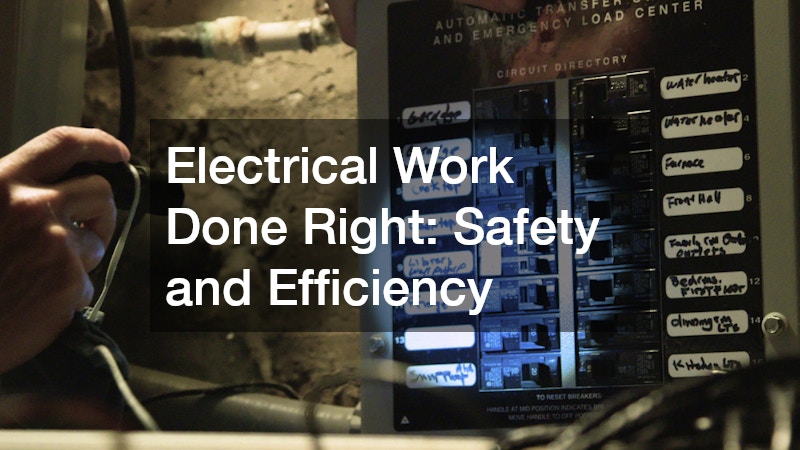
One of the most overlooked aspects of remodeling is electrical planning. Beyond simply adding outlets or light fixtures, thoughtful electrical design ensures your home can support modern appliances, technology, and lighting needs without overloading circuits. Proper planning includes evaluating your current electrical panel, determining the ideal placement for outlets and switches, and considering future upgrades, such as smart home devices or energy-efficient lighting. Neglecting these details can lead to costly last-minute changes, unsafe wiring, or systems that fail to meet your lifestyle demands.
Hiring qualified electrical contractors is essential to navigate these complexities effectively. Experienced professionals can assess your home’s existing wiring, recommend solutions to optimize power distribution, and ensure that all work meets strict safety standards. They can also help sequence electrical tasks so they align with other remodeling work, such as flooring or cabinetry installation, preventing damage or unnecessary rework. Additionally, reputable contractors often provide guidance on energy-efficient upgrades, surge protection, and proper grounding, giving you both peace of mind and long-term savings.
Experienced electricians can:
-
Assess your current electrical system and capacity.
-
Recommend energy-efficient solutions that reduce long-term costs.
-
Ensure all work meets local codes and passes inspection.
Scheduling electrical work strategically during the remodeling process is also essential. Completing wiring and lighting before flooring or cabinetry installation prevents damage and keeps the project timeline efficient. A proactive approach reduces surprises and ensures your home’s electrical system is safe, modern, and reliable.
Protecting Your Investment Through Proper Coverage
Remodeling carries inherent risks that homeowners often underestimate. From accidental damage to existing structures, floors, or furniture to injuries that might occur on-site, the potential for unexpected costs is significant. Even minor mistakes during demolition or construction can result in expensive repairs, while overlooked hazards can lead to personal injury or property damage. Planning ahead for these possibilities by reviewing your insurance coverage and understanding potential liabilities helps safeguard both your finances and your peace of mind throughout the project. It’s also wise to set aside a contingency fund for emergencies, ensuring that unanticipated issues don’t derail your remodeling plans or leave you scrambling to cover costs.
Working closely with a home insurance agent can make a substantial difference in how prepared you are for remodeling risks. A knowledgeable agent can review your current policy and recommend temporary endorsements or adjustments specifically for renovation projects. They can also clarify what types of damages are covered, what exclusions might apply, and whether additional liability coverage is needed if multiple contractors or subcontractors are involved. By proactively addressing insurance concerns, you reduce stress, avoid costly gaps in coverage, and ensure that every aspect of your remodel—from minor updates to major renovations—is protected.
Review your current homeowner’s insurance policy before starting a remodel, and ask about coverage for:
-
Theft or vandalism during construction.
-
Water damage caused by construction errors.
-
Liability for injuries occurring on the property.
A knowledgeable home insurance agent can guide you through policy adjustments, endorsements, or temporary coverage enhancements that protect your remodel. They can also advise on contractor insurance requirements and clarify what is covered under your existing policy versus what might require additional protection. By consulting your insurance agent early, you minimize the chance of financial surprises down the road.
New Construction and Major Structural Changes

Some remodeling projects go beyond cosmetic upgrades and involve significant structural changes, such as room additions, home extensions, or converting an attic into livable space. These types of projects require careful planning, precise execution, and coordination with multiple professionals.
New home construction knowledge is invaluable when making structural changes.
Contractors experienced in building new homes bring expertise in:
-
Understanding load-bearing structures and foundational requirements.
-
Navigating permits, inspections, and local building codes.
-
Coordinating schedules among multiple tradespeople, from framing to finishing.
By approaching structural remodeling with the same diligence as building a new home, you ensure that additions are safe, durable, and seamlessly integrated into your existing layout. Proper planning at this stage prevents costly corrections and helps avoid headaches later.
Custom Storage Solutions That Transform Spaces
Storage is often a major challenge in any home, and remodeling provides an opportunity to address it creatively. Built-ins, closets, and customized cabinets can dramatically improve functionality while complementing your interior design.
Working with custom cabinet companies allows you to design storage solutions tailored to your needs.
Key considerations include:
-
Optimizing layout for accessibility and convenience.
-
Selecting materials that match your home’s style and withstand wear.
-
Coordinating installation with other remodel elements to avoid delays.
Custom cabinets not only enhance storage efficiency but also contribute to a polished, high-end aesthetic. With careful planning, you can create spaces that feel organized, stylish, and perfectly suited to your lifestyle.
Flooring Options That Combine Style and Durability

Flooring choices set the tone for your home’s interior and have a significant impact on both aesthetics and practicality. Wood flooring is a timeless choice, offering warmth, durability, and easy integration with various décor styles.
When selecting flooring for a remodel, consider:
-
The room’s function and traffic levels.
-
Long-term maintenance requirements and durability.
-
Coordinating colors and finishes with cabinetry, walls, and trim.
Proper installation is equally important. Working with experienced flooring professionals ensures boards are properly aligned, gaps minimized, and finishes applied evenly. By investing time in careful selection and installation, you create a foundation that elevates every room and stands the test of time.
Keeping Your Home Pest-Free During Construction
Remodeling often exposes areas that pests can exploit, from open walls to disturbed landscaping. Unchecked infestations can damage materials, create health hazards, and delay your project.
A pest exterminator can help prevent issues before they arise.
Key steps include:
-
Inspecting the property for existing infestations.
-
Treating vulnerable areas proactively.
-
Advising on construction practices that minimize risk.
Timing pest control treatments around the remodel ensures that your home remains protected without interfering with construction schedules. Regular inspections during and after the project help maintain a safe, pest-free environment.
Managing Utilities and Sewage Upgrades Smoothly
Septic systems and other utility upgrades are often necessary during remodeling, especially for older homes or major additions. Planning and execution are critical to avoid disruptions and ensure compliance with regulations.
When arranging septic installation, keep these tips in mind:
-
Schedule inspections and approvals early in the project timeline.
-
Hire licensed professionals to guarantee proper installation and avoid costly mistakes.
-
Plan landscaping and other site work around the septic system to protect its function.
Coordinating these upgrades with other contractors prevents overlap and delays, helping your remodel proceed efficiently while protecting critical home systems.
Enhancing Privacy and Curb Appeal With Fencing
Fencing plays a dual role in home remodeling: it provides security and privacy while enhancing the property’s exterior appeal. Choosing the right style, material, and placement can transform a yard into a private oasis.
Fence installation involves several considerations:
-
Selecting durable, low-maintenance materials suited to your climate.
-
Ensuring the layout complies with local codes and neighborhood guidelines.
-
Coordinating installation with landscaping or outdoor remodeling projects.
Working with skilled installers ensures the fence is level, secure, and visually appealing. Thoughtful placement and design create a cohesive exterior that complements your remodel and improves overall enjoyment of outdoor spaces.
Timeline and Budget Management Tips
One of the most common sources of stress in remodeling is unexpected delays and cost overruns, which can derail even the best-laid plans. Projects often take longer than anticipated due to material shortages, contractor scheduling conflicts, or unforeseen structural issues uncovered during construction. Without careful oversight, minor delays can compound into weeks of disruption, leaving homeowners frustrated and stressed. By proactively managing your timeline, including building in buffer periods for each stage of the project, you can accommodate unforeseen circumstances without feeling behind schedule. Maintaining open communication with all contractors and suppliers ensures that any potential issues are flagged early, reducing surprises and helping the project stay on track.
Similarly, a well-monitored budget is essential for minimizing financial stress. Unexpected expenses—from upgraded fixtures to hidden repairs—can add up quickly if not anticipated. Tracking costs in real-time, reviewing invoices carefully, and setting aside a contingency fund of at least 10–15% of your total budget allows you to absorb surprises without derailing the overall project. Prioritizing expenditures, understanding when to compromise, and negotiating with contractors on material costs or labor fees can further prevent overspending.
Practical steps include:
-
Creating a detailed project schedule with milestones and buffer time.
-
Tracking expenses in real-time and adjusting as needed.
-
Communicating regularly with contractors and suppliers to address issues early.
A clear timeline and budget plan allow you to anticipate potential conflicts, make informed decisions quickly, and avoid last-minute surprises. This structured approach ensures a smoother remodel and keeps everyone aligned toward the same goals.
Final Walkthrough and Quality Assurance
The final phase of remodeling is just as critical as the planning stage, as it ensures that all the hard work meets your expectations and adheres to quality standards. A thorough walkthrough allows you to carefully inspect every corner of your home, from flooring and cabinetry to lighting fixtures and trim work. This is the time to verify that all agreed-upon changes have been completed, that finishes are consistent, and that any custom work—such as built-in cabinets or flooring patterns—has been executed accurately. Conducting this review systematically, room by room, helps prevent minor oversights from turning into long-term issues that could be costly or inconvenient to fix later.
During the walkthrough, it’s also essential to check operational systems, including plumbing, HVAC, and electrical components, to ensure they function correctly and safely. Collecting documentation at this stage—such as warranties, manuals, and receipts for installed products or equipment—provides a clear record for future maintenance or repairs. If any discrepancies or defects are identified, addressing them immediately with your contractors ensures that corrections are completed promptly and without added stress.
Tips for a successful final inspection:
-
Check all systems, including electrical, plumbing, and HVAC, for proper operation.
-
Inspect finishes, flooring, cabinetry, and paint for quality and consistency.
-
Collect manuals, warranties, and documentation for installed products and appliances.
Addressing minor corrections promptly prevents small issues from turning into long-term problems. By taking the time to review every detail, you ensure that your remodeled home meets your expectations and provides lasting satisfaction.
A stress-free home remodeling project is achievable with careful planning, strategic coordination, and attention to detail. By approaching each step with clear goals, realistic timelines, and a network of reliable professionals, you can transform your home efficiently and confidently.
Remodeling is more than just improving aesthetics—it’s an opportunity to enhance functionality, increase comfort, and create a space that truly reflects your lifestyle. With the right preparation and expert guidance, every corner of your home can be elevated into a place you love.