
When your to-do list includes a leaky roof, an aging AC unit, and a bathroom that’s stuck in 1998, a tight budget can feel paralyzing rather than helpful. The truth is that not every home upgrade deserves the same urgency, and knowing how to rank projects by safety, cost, and long-term value can save you thousands of dollars and plenty of stress. This guide breaks down how to evaluate competing priorities so you spend your limited renovation dollars where they matter most. By the end, you will have a clear framework for deciding what gets fixed now, what can wait, and how to plan for the rest.
Assess Structural and Safety Risks First
Before you think about aesthetics, walk through your home and identify anything that could cause damage or harm if left unaddressed. Structural issues almost always compound over time, turning a modest repair into a major expense if ignored for even one more season. Water intrusion, electrical hazards, and foundation movement should always sit at the top of your list, regardless of how tempting a kitchen refresh might be. Prioritizing safety first protects both your investment and your family.
- Look for sagging rooflines, cracked drywall, or sticking doors that suggest foundation shifts
- Check for exposed wiring, warm outlets, or breakers that trip frequently
- Inspect for water stains on ceilings or walls, which often point to hidden leaks
- Note any uneven flooring, which can indicate joist or subfloor damage
Evaluate Your Roof Condition and Timeline

Your roof is one of the most expensive systems to replace, often running anywhere from $8,000 to $20,000 or more depending on materials and square footage. It’s also one of the most urgent systems to address if it’s failing, since delayed repairs often lead to interior damage, mold, and ruined insulation that cost far more down the line than the roof work itself. If you notice curling or cracked shingles, granule loss collecting in the gutters, or daylight coming through the attic boards, it’s time to get a professional opinion before small problems become emergencies. Soft spots on the roof deck, water stains spreading across ceilings, and a roof that’s past its 20-to-25-year lifespan are equally strong signs that time is running short. Catching these issues early often means the difference between a $400 patch and a $12,000 emergency replacement after a storm. Reaching out to Roofing Contractors for an inspection early can help you understand whether you’re looking at a patch job, a partial re-roof, or a full tear-off and replacement, which dramatically changes your budgeting timeline. Ask specifically how many years of life the inspector thinks remains, since that number will shape whether the roof belongs at the top of your priority list or a year or two further down it. Getting quotes from multiple roofing companies also gives you a realistic price range so you are not blindsided later. Request itemized estimates that break out materials, labor, and disposal costs, since lumping everything into one number makes it harder to compare bids or negotiate a payment timeline that works with your other planned upgrades.
Because roofing work tends to be seasonal in many regions, scheduling matters almost as much as the repair itself. Contractors book up fast in early spring and late fall, when demand peaks, so waiting until the rainy season to address a known issue can turn a controlled project into a stressful scramble and may mean paying rush pricing just to get someone on the schedule. If your roof is still structurally sound but aging, you may be able to delay full replacement by a year or two while you save, as long as you monitor it closely. Watch for warning signs like curling or missing shingles, granules collecting in gutters, daylight visible through the attic boards, or soft spots when walked on. A roof in the 15-20 year range for asphalt shingles deserves closer attention than one that’s only 8-10 years old. It’s worth getting a professional inspection even if you’re not ready to commit to a project, since many roofers will do a basic assessment for free or a nominal fee. Ask them to flag anything that could worsen quickly, such as flashing issues around chimneys or vents, since these are often cheaper to patch now than to ignore. A $200-$400 repair today can prevent a $1,500 interior water damage bill a year from now, so factor that risk into your budget timeline alongside the cost of full replacement.
Decide Whether Your HVAC System Needs Repair or Replacement
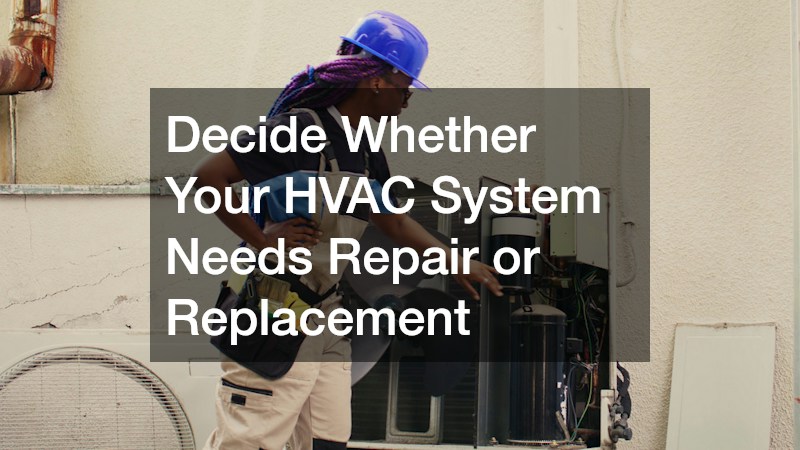
Heating and cooling systems rarely fail at convenient times, which is why it helps to assess their age and performance before an emergency forces your hand. A unit over twelve to fifteen years old that is requiring frequent repairs is usually costing you more in energy bills and service calls than a replacement would. Getting an honest assessment from AC companies can clarify whether your system is worth repairing or if replacement will pay for itself through efficiency gains. This is especially important if you live somewhere with extreme summer temperatures, where a failing system is not just inconvenient but potentially dangerous.
On the heating side, the same logic applies, and it is worth building a relationship with local heating contractors who can service your furnace or boiler on a predictable schedule rather than waiting for a breakdown. Routine maintenance extends the life of these systems significantly and is almost always cheaper than emergency replacement. If your HVAC system is a toss-up between urgent and optional, consider how much of the year you depend on it and weigh that against your other project needs.
Weigh the Value of Outdoor Living Upgrades
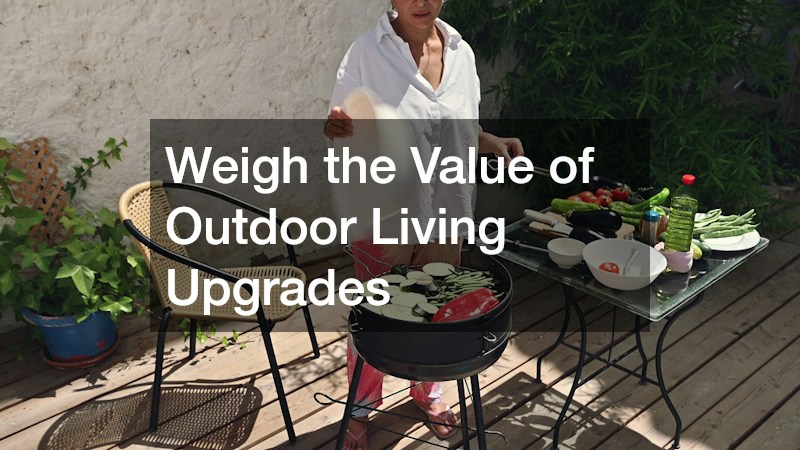
Outdoor improvements often get pushed to the bottom of the list because they feel less urgent than indoor systems, but some exterior projects offer real returns in comfort and resale value. According to industry cost-vs-value reports, a wood deck addition can recoup 50-65% of its cost at resale, while also giving you immediate day-to-day enjoyment that a new furnace or window never will. A well-built deck extends your usable living space and can be a worthwhile investment if you entertain often or simply want more room to relax outside. Working with custom deck builders allows you to tailor the size, materials, and layout to your actual budget rather than settling for a generic prefabricated structure. For example, pressure-treated lumber costs significantly less upfront than composite decking, but composite requires far less maintenance over time — a tradeoff worth discussing with your builder before committing. You can also phase the project, starting with a basic footprint and railing system now, then adding built-in seating, pergolas, or lighting in a later budget cycle. If a full deck is out of reach this year, even a smaller platform addition can make a noticeable difference. A modest 10×10 ground-level platform near a back door, for instance, can create usable outdoor seating space for a fraction of the cost of a raised, multi-level structure. When budgets are tight, prioritize structural elements like footings and framing first, since those are the hardest and most expensive to modify later, and treat cosmetic upgrades as a phase-two expense.
Before committing funds to a deck, patio, or outdoor kitchen, take an honest look at how often you’d actually use the space. A beautiful deck that sits empty eight months out of the year because of cold winters or a bug-heavy summer is a lower priority than a failing roof or an HVAC system on its last leg, no matter how much curb appeal it adds. Factor in your climate and lifestyle realistically. If you live somewhere with short summers, a $15,000 outdoor kitchen may only get used a handful of weekends a year, while that same money could replace aging windows or fix a leaky basement that affects your home every single day. Also weigh resale value against personal enjoyment. Outdoor upgrades like decks and patios typically recoup 50-65% of their cost at resale, which is respectable but far less than the near-essential nature of structural or mechanical repairs that protect the home from damage. Finally, ask whether the space will genuinely change how you live day to day. If you entertain often, work from home, or have kids who play outside constantly, the upgrade may earn its place higher on the list. If it’s more aspirational than practical, let urgent repairs take precedence first.
Factor in Driveway and Walkway Repairs
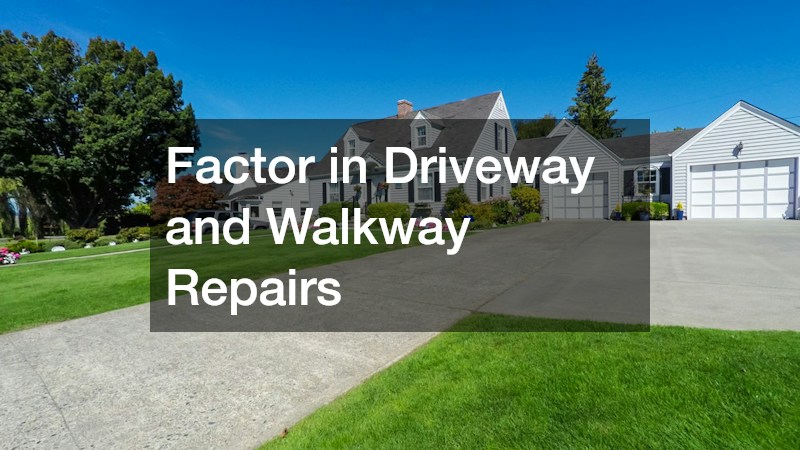
Cracked or crumbling pavement is easy to overlook because it rarely threatens the interior of your home, but it can become a safety hazard and a curb appeal issue if ignored for too long. Asphalt paving projects are generally more affordable than concrete alternatives and can often be scheduled in phases if your budget is tight. Addressing small cracks early through sealing is far cheaper than waiting until the entire driveway needs to be repoured. If you are planning to sell your home within the next few years, driveway condition is one of the first things buyers notice.
- Seal minor cracks annually to prevent water infiltration and freeze-thaw damage
- Get quotes for full replacement versus resurfacing to compare long-term value
- Consider drainage improvements alongside paving work to avoid repeat damage
- Time outdoor paving projects for mild weather to ensure proper curing
Decide How to Handle Overgrown or Inefficient Landscaping
Landscaping upgrades can feel optional, but an inefficient watering system can quietly drain your budget every month through wasted water and plant loss. If your yard relies on manual hose watering or an outdated sprinkler setup, upgrading your irrigation system might actually save you money over time rather than being a pure expense. Drip systems and smart controllers use water far more efficiently than older sprinkler heads, which matters both for your utility bill and for regions facing water restrictions. This is a project worth bumping up your list if you are currently losing plants or paying for water that never reaches their roots.
That said, landscaping should generally rank below structural, safety, and major system repairs unless it is actively causing water damage to your foundation or siding. Overgrown trees with roots near your foundation or gutters clogged with debris from nearby plants can create problems that bleed into higher-priority categories, so it pays to address those specific issues even while larger landscaping stays on the back burner.
Prioritize Interior Renovations That Add Daily Value
When it comes to interior projects, think about which rooms you use most and where outdated features are actively affecting your daily life. A bath remodel often ranks high on homeowner wish lists because bathrooms see heavy daily use and outdated plumbing fixtures can lead to leaks or inefficient water use. If your bathroom has visible mold, soft flooring, or a toilet that runs constantly, these are signs that a renovation is more functional necessity than cosmetic upgrade. Kitchens come a close second in terms of daily impact, but bathrooms often have more pressing water-related risks that push them higher on a tight budget list.
When ranking interior projects against outdoor or system repairs, ask yourself whether the issue is purely aesthetic or whether it is causing ongoing damage or inefficiency. A dated color scheme can wait, but a cracked tile allowing water behind the wall cannot. Breaking a larger renovation into phases, such as fixtures first and cosmetic finishes later, can help you make progress without requiring the full budget upfront.
Improve Energy Efficiency With Targeted Exterior Additions
Energy efficiency upgrades often get overlooked because they are less visible than a new kitchen or deck, but they can meaningfully reduce your utility bills year after year. Installing exterior sun shades over south and west facing windows is a relatively affordable way to reduce indoor heat gain, which in turn eases the load on your cooling system during peak summer months. This type of upgrade pairs well with other efficiency projects and often has a shorter payback period than larger renovations. If you are already budgeting for HVAC work, adding shading solutions at the same time can amplify your savings.
Beyond comfort, reducing solar heat gain can extend the life of your cooling equipment by lowering how hard it has to work on the hottest days. This makes exterior shading a smart complementary project rather than a standalone luxury, especially for homes with large west-facing windows that bake in afternoon sun.
Build a Realistic Timeline and Maintenance Schedule
Once you have ranked your projects, create a rough calendar that spreads costs across months or seasons rather than tackling everything at once. This approach prevents you from draining savings on a single project and leaves room for the inevitable surprise repair. Building in routine maintenance checkups, including periodic AC services, helps you catch small problems before they become expensive emergencies that disrupt your carefully planned budget. A realistic timeline also gives you room to shop around, compare contractor quotes, and avoid rushed decisions driven by panic.
- Schedule major system inspections annually, ideally before peak seasons
- Set aside a small emergency fund specifically for home repairs
- Break larger renovations into phases that align with your pay cycle or savings goals
- Revisit your priority list every six months as conditions change
Prioritizing home upgrades on a tight budget comes down to separating urgent risks from projects that simply improve comfort or appearance. Start with safety and structural concerns, move through major systems, and let smaller aesthetic upgrades fill in the gaps as your budget allows. With a clear ranking system and a realistic timeline, you can make steady progress on your home without derailing your finances. Take the next step today by walking through your home with this framework in mind and jotting down where each project truly belongs on your list.