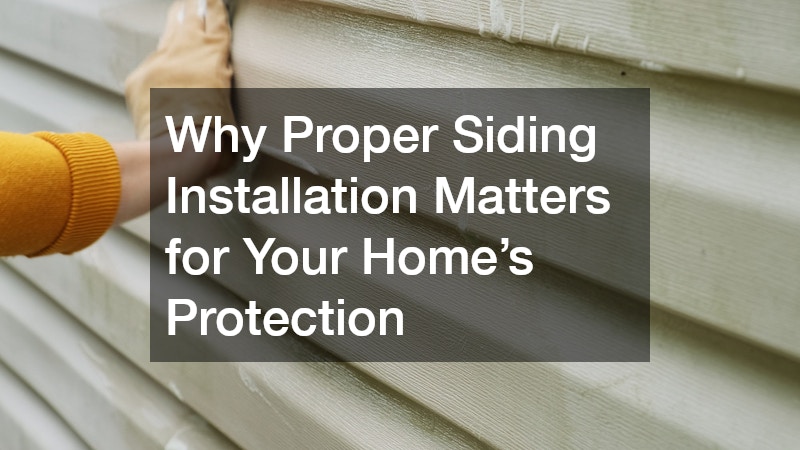

Your home’s exterior is more than a visual statement—it is a protective barrier designed to defend against wind, rain, heat, cold, and impact. When properly installed, exterior cladding shields structural components, improves energy performance, and enhances long-term property value. When installed incorrectly, it can expose your home to moisture intrusion, pest infiltration, and premature deterioration.
Understanding the mechanics behind professional installation helps homeowners make informed decisions. From selecting materials to choosing qualified professionals, every step affects durability, performance, and return on investment. Exterior upgrades are not cosmetic projects alone; they are structural improvements that influence how your property performs over decades. Investing in proper installation today prevents expensive remediation tomorrow.
What Is the Role of Siding in Home Protection?
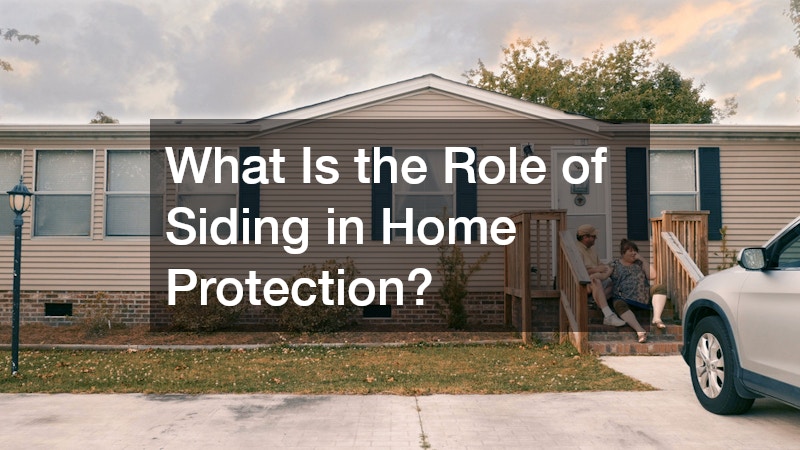
Exterior siding acts as the first line of defense against environmental stressors. It is engineered to repel moisture, resist ultraviolet degradation, and provide structural stability against wind loads. High-performance materials are tested to withstand specific wind speeds and impact ratings, particularly in storm-prone regions.
The elements siding protects against include heavy rain, snow accumulation, ice dams, hail impact, and prolonged sun exposure. Without proper sealing and fastening, water can infiltrate wall cavities, causing mold growth and wood rot. Temperature fluctuations can also lead to expansion and contraction, stressing improperly secured panels. Over time, repeated thermal cycling can weaken fasteners and compromise the envelope.
Correct installation ensures that flashing, house wrap, and drainage planes function as an integrated moisture management system. A skilled siding contractor understands how to align panels, maintain expansion gaps, and secure fasteners without overdriving nails, which preserves both performance and appearance over time. Attention to detail at joints and terminations prevents micro-gaps where water intrusion typically begins.
Beyond protection, siding also contributes to insulation performance and sound reduction. When paired with rigid foam or insulated backer systems, it helps regulate interior temperatures and dampen exterior noise. This added thermal control reduces strain on HVAC systems and enhances year-round comfort. Proper detailing at corners and penetrations further strengthens the building envelope against long-term wear and air leakage.
How Does a Siding Company Ensure Quality?
Quality installation begins with material selection. A reputable siding company evaluates climate conditions, architectural style, and budget constraints before recommending vinyl, fiber cement, engineered wood, or composite systems. Each material has distinct expansion properties, maintenance requirements, and lifespan expectations.
Advanced installation techniques separate experienced professionals from inexperienced crews. Proper alignment, staggered seams, moisture barriers, and manufacturer-approved fastening methods prevent long-term failure. Precision cutting around windows and doors is especially critical to prevent water intrusion. Even small measurement errors can lead to visible waviness or structural weakness.
Established firms implement strict quality-control processes. A professional siding installation company will conduct pre-project inspections, mid-installation checks, and final walkthroughs. These measures confirm compliance with building codes and manufacturer warranties, ensuring long-term protection and structural integrity. Documentation at each stage provides accountability and traceability.
In addition, experienced teams stay current with evolving building codes and product innovations. Many manufacturers require certified installers to validate extended warranties. A dependable siding company invests in ongoing training to maintain technical accuracy and installation consistency. This commitment directly impacts durability, weather resistance, and long-term performance while minimizing callbacks and warranty disputes.
What Are the Benefits of Hiring a Stucco Company?
Stucco offers a seamless, durable exterior finish with strong resistance to fire and weather extremes. Homeowners often choose this material for its modern aesthetic and energy-efficient properties. Its dense composition also provides notable acoustic insulation benefits.
Working with a specialized stucco company ensures correct layering, curing times, and substrate preparation. Improper mixing or inadequate curing can lead to cracking and moisture penetration. Experienced installers understand how to apply lath, scratch coat, brown coat, and finish coat for optimal adhesion and longevity. Moisture barriers behind the system are equally critical for long-term performance.
Compared to vinyl or wood cladding, stucco installation provides superior impact resistance and lower maintenance requirements. While it may carry a higher upfront cost, its long lifespan and insulation benefits can offset long-term expenses. Properly maintained stucco systems can perform reliably for 50 years or more.
Another advantage is design flexibility. Stucco can be tinted, textured, or finished in smooth or patterned applications to match architectural styles. A skilled stucco company ensures expansion joints are properly integrated to minimize cracking. With correct application and maintenance, this exterior system can withstand severe climates without sacrificing visual appeal.
How Do I Evaluate a Siding Contractor?
Selecting the right siding contractor requires due diligence. Start by confirming licensing, bonding, and insurance coverage. These credentials protect homeowners from liability and signal professional accountability. Verification through state licensing boards adds an additional layer of security.
Online reviews and client testimonials reveal patterns in workmanship, punctuality, and customer service. Look for consistent feedback rather than isolated praise or complaints. A credible siding contractor should also provide references from recent projects. Speaking directly with past clients offers insights into scheduling reliability and cleanup standards.
Reviewing a portfolio allows you to assess installation precision and aesthetic consistency. Professional siding contractors typically document completed jobs, showcasing trim work, panel alignment, and detailing around architectural features. This transparency builds confidence in their technical capabilities and attention to finish quality.
It is equally important to evaluate communication and project management practices. Reliable siding contractors provide clear timelines, written contracts, and itemized estimates. They should also outline contingency plans for weather delays or unexpected structural repairs. Strong organizational practices often reflect overall workmanship quality and customer satisfaction outcomes.
What Are the Steps of Siding Installation?
Successful exterior upgrades begin with pre-installation planning. This includes site evaluation, moisture assessment, removal of damaged materials, and installation of weather-resistant barriers. Accurate measurements prevent material waste and installation errors. Structural sheathing is inspected to ensure a solid foundation.
During the siding install process, crews secure underlayment, install starter strips, align panels, and integrate flashing systems around openings. Precision at each stage determines overall system performance. Even minor misalignments can compromise weather resistance. Expansion allowances are carefully calculated to prevent buckling.
After completion, post-installation care includes sealing exposed edges, conducting final inspections, and educating homeowners about maintenance. A professional siding installation company will provide warranty documentation and maintenance guidelines to preserve the system’s integrity. Scheduled inspections help identify early wear before it escalates.
Proper ventilation and drainage are also incorporated during installation. Installers must ensure that weep holes, soffit vents, and expansion gaps remain unobstructed. These elements prevent moisture buildup behind siding panels. Careful execution throughout the siding install process ensures structural protection, energy efficiency, and long-term durability.
How Can a Siding Installation Company Affect Home Value?
Curb appeal plays a measurable role in property valuation. Clean lines, modern finishes, and cohesive color schemes increase perceived quality. A reputable siding installation company can recommend styles that complement architectural design while appealing to potential buyers. Updated exteriors often photograph better for online listings.
Energy efficiency is another value driver. Properly installed insulated panels reduce thermal bridging and improve HVAC performance. This translates to lower utility bills and stronger resale appeal. Energy-efficient upgrades are increasingly prioritized by buyers seeking long-term savings.
Durability also impacts long-term equity. High-quality siding installation protects framing and insulation from moisture damage, reducing repair costs and extending structural lifespan. Buyers often prioritize homes with recent exterior upgrades due to lower perceived maintenance risk and improved structural integrity.
Additionally, documented upgrades provide confidence during home inspections. A trusted siding installation company supplies warranty paperwork and proof of code compliance. These records can streamline negotiations and justify listing price increases. Strategic exterior improvements frequently yield strong returns on investment compared to purely cosmetic renovations.
Who Are the Top Local Siding Contractors?

Finding qualified local siding contractors begins with targeted research. Community directories, trade associations, and verified review platforms provide initial screening opportunities. Industry affiliations often indicate adherence to professional standards.
Evaluate contractors based on certifications, manufacturer affiliations, and years of experience. Local siding contractors familiar with regional climate conditions can recommend materials suited to humidity, temperature swings, or coastal exposure. Their regional knowledge reduces the likelihood of premature material failure.
Community feedback remains a powerful indicator of reliability. Word-of-mouth referrals often reveal insights into project timelines, cleanup practices, and communication standards. Contractors embedded in the community typically maintain higher accountability due to local reputation and repeat business potential.
It is also helpful to request in-person consultations. Reputable local siding contractors conduct thorough property inspections before providing quotes. Their familiarity with municipal permit requirements can prevent administrative delays. Choosing professionals rooted in the area often results in smoother project coordination and faster service response if future adjustments are needed.
What Services Do Siding Contractors Offer?
Professional siding contractors provide comprehensive exterior solutions beyond new installations. Initial consultations often include moisture assessments, insulation evaluations, and structural inspections. These evaluations determine whether repairs are necessary before new materials are applied.
Installation and replacement services cover material removal, debris disposal, substrate repair, and precision fitting of new panels. Skilled siding contractors understand how to integrate trim, soffits, and fascia for a cohesive finish. Proper integration ensures consistent airflow and moisture management.
Repair and maintenance services address storm damage, panel warping, and seam separation. A proactive maintenance plan can extend the lifespan of your siding and prevent costly structural repairs. Periodic inspections identify minor defects before they escalate.
Some contractors also provide emergency response services after severe weather events. These services may include temporary protective coverings and rapid damage assessments. Established siding contractors can coordinate with insurance providers to simplify claims processing. This comprehensive support ensures faster restoration and minimal disruption to daily life.
How to Identify the Best Siding Installer for Your Needs?
The best siding installer demonstrates technical proficiency, transparent pricing, and strong communication skills. Look for professionals who provide detailed written estimates outlining materials, labor, and timelines. Clear documentation prevents misunderstandings during the project lifecycle.
Comparing service packages helps homeowners understand scope differences. Some providers include insulation upgrades, enhanced moisture barriers, or extended warranties. Evaluating these inclusions clarifies value beyond base pricing and highlights long-term performance advantages.
Cost analysis should balance upfront investment with lifecycle performance. The best siding installer prioritizes long-term durability rather than cutting corners to reduce immediate expenses. Investing in quality craftsmanship typically yields stronger protection and higher resale value.
Experience with multiple material types is another valuable indicator. A versatile best siding installer can explain performance differences between vinyl, fiber cement, wood, and composite options. They should also outline maintenance expectations for each system. Clear, data-driven recommendations help homeowners select solutions aligned with budget constraints and long-term ownership plans.
What Are Common Issues with Poor Siding Installation?
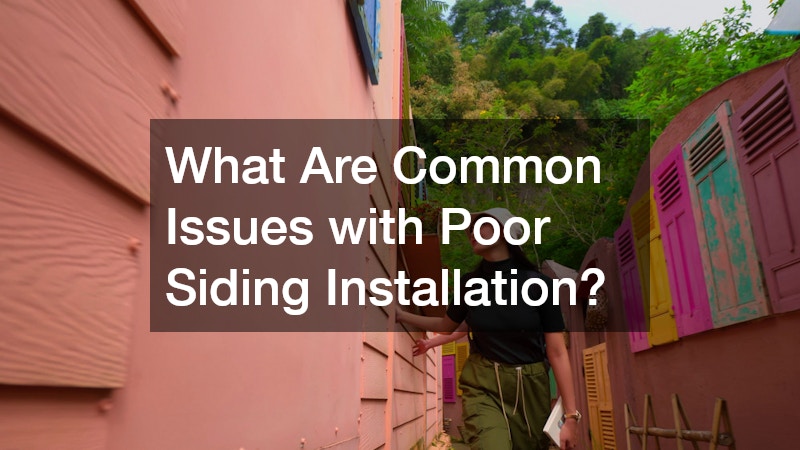
Water infiltration remains the most significant consequence of improper workmanship. Gaps, misaligned seams, and inadequate flashing allow moisture to penetrate wall cavities. This often leads to mold growth, insulation damage, and structural rot. Hidden damage may go unnoticed until costly repairs are required.
Structural instability can result from incorrect fastening techniques. Overdriven nails, uneven spacing, or failure to accommodate expansion can cause panels to buckle or detach during high winds. Hiring experienced siding contractors reduces these risks significantly by adhering to manufacturer guidelines.
Aesthetic defects also diminish property appeal. Crooked lines, inconsistent spacing, and visible seams signal poor workmanship. Engaging a qualified siding company ensures clean finishes that enhance both protection and visual impact.
Poor installation can also void manufacturer warranties. Many product guarantees require adherence to strict installation guidelines. If these standards are not followed, homeowners may be responsible for costly repairs. Professional siding contractors mitigate this risk by aligning their processes with documented manufacturer specifications and industry best practices.
Proper siding installation is a critical investment in your home’s structural integrity, energy efficiency, and market value. High-quality materials alone cannot guarantee performance; expert installation ensures moisture control, durability, and long-term reliability. When panels are correctly aligned, flashed, and secured, they form a continuous protective envelope that shields framing, insulation, and interior finishes from deterioration. This level of precision reduces the likelihood of premature repairs and helps preserve the structural components that support your home for decades.
By carefully evaluating contractors, understanding installation procedures, and prioritizing craftsmanship over shortcuts, homeowners can safeguard their properties against environmental damage. Thorough planning, code compliance, and attention to ventilation details all contribute to a resilient exterior system. The right professional partner delivers not only aesthetic enhancement but also lasting protection and peace of mind, ensuring your home remains secure, efficient, and visually appealing well into the future.