

Homeowners constantly seek realistic strategies to minimize utility expenses without compromising daily comfort. Rising fuel and electricity costs mean that simple habit changes are no longer enough to keep monthly expenses under control. Strategic property enhancements, paired with targeted system upgrades, offer a sustainable path toward lower overhead while simultaneously increasing overall property value and thermal performance.
By approaching efficiency as a connected ecosystem—where insulation, climate control, water heating, and plumbing operate in harmony—you can drastically reduce energy waste across every square foot of your home. This comprehensive guide outlines high-impact improvements, routine maintenance practices, and expert adjustments designed to yield maximum financial returns and lasting comfort for years to come.

Seal Envelope Leaks Around Doors and Windows
Air leakage around entry doors, window frames, and baseboards is one of the primary reasons homes lose heated or conditioned air. When air escapes through invisible cracks, your primary thermal systems must work twice as hard to maintain a steady indoor temperature. Applying high-grade silicone caulk along permanent seams and installing durable weatherstripping around movable frames creates an airtight seal that prevents drafts. Inspecting these entry points annually ensures that normal structural settling does not reopen gaps that drain your monthly budget. Modern sealant materials retain their elasticity for over a decade, preventing premature cracking caused by seasonal temperature swings and structural expansion.
Adding high-density foam gaskets behind electrical outlet covers on interior perimeter walls also stops hidden drafts from pulling conditioned air into wall cavities. Double-hung windows often benefit from heavy-duty locking latches that pull sashes tightly together to close hairline gaps where drafts slip through. Addressing these small perimeter openings creates a stable baseline temperature throughout the living spaces, allowing you to lower thermostat settings without sacrificing daily indoor comfort. In addition to direct utility savings, effective air sealing limits humidity infiltration during humid summer months, significantly reducing the latent cooling load placed on air conditioning equipment.
Upgrade to Smart Temperature Control Technology
Traditional manual thermostats lack the precision needed to optimize energy consumption throughout the day when homes are empty. Smart climate controllers analyze your household schedule, adapt to local weather forecasts, and automatically lower output during overnight or working hours. By eliminating unnecessary heating and cooling cycles when no one is home, these devices reduce overall energy consumption without requiring manual adjustments or compromising lifestyle convenience. These intelligent devices also monitor system run times over time, alerting you immediately if your heating or cooling units are taking longer than normal to reach set temperatures.
Investing in a professional thermostat installation service ensures that the new unit communicates correctly with your system’s low-voltage wiring, multi-stage relays, and outdoor zone sensors. Attempting DIY setups on complex modern multi-stage systems can sometimes cause short-cycling or improper staging, which wastes energy rather than saving it. Qualified technicians verify that C-wire connections provide steady power without draining internal backup batteries or causing intermittent Wi-Fi disconnections.
Key benefits of installing a smart controller include:
-
Automated temperature scheduling tailored to your family’s daily movements.
-
Remote monitoring and control via mobile device apps from anywhere in the world.
-
Energy usage reports that highlight peak consumption periods and potential savings.
-
Geofencing features that adjust output based on your smartphone’s proximity to home.
Properly configuring these intelligent features ensures your home remains at an optimal temperature only when necessary, preventing unnecessary utility expenditures year-round. Over a single heating and cooling season, the automated energy reductions provided by smart programming can easily offset the initial hardware and setup costs.
Maximize Attic and Exterior Wall Insulation
Inadequate insulation allows thermal energy to transfer freely through the roof during summer and winter months, driving up utility bills. Blow-in cellulose or thick fiberglass batts installed across the attic floor create a thick thermal barrier that traps conditioned air within the living space below. Expanding insulation depth to meet modern local climate recommendations significantly buffers your interior environment against extreme exterior temperatures. Proper attic ventilation must be maintained alongside insulation depth to allow moisture vapor to escape, preventing roof deck condensation and ice dam formation during freezing winter weather.
Prioritizing exterior wall insulation and insulating subterranean crawl spaces further stabilizes indoor conditions, preventing unpleasant hot and cold spots across different floors. Dense-pack insulation retrofits can be blown directly into uninsulated wall cavities through small exterior access holes without requiring full drywall removal or major interior disruptions. Combining proper insulation depth with sealed air channels drastically reduces the operational hours needed by your primary heating and cooling equipment. A properly insulated building envelope maintains steady temperatures for hours after climate systems shut off, maximizing overall thermal retention.
Optimize Water Heating Efficiency and System Maintenance
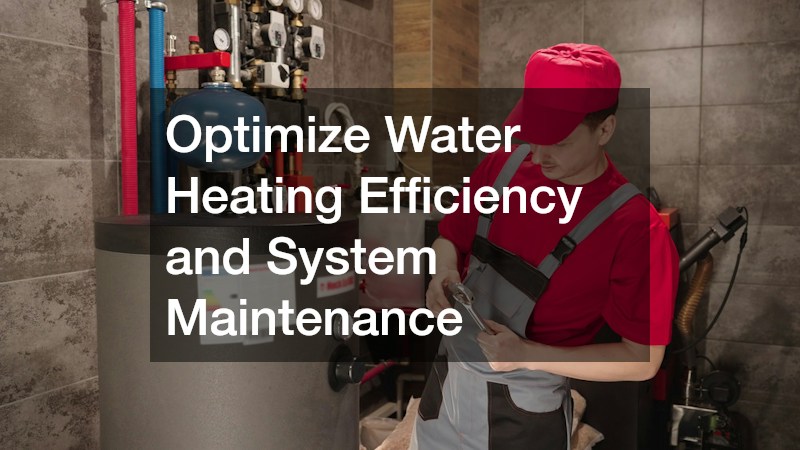
Water heating accounts for a substantial portion of a typical household’s annual energy budget, making it a key area for financial savings. Lowering the default setting on your tank unit from 140 degrees Fahrenheit to 120 degrees Fahrenheit immediately reduces standby heat loss without compromising shower comfort or dishwashing performance. Installing an insulating thermal blanket around older storage tanks further minimizes radiant energy losses during idle periods, keeping stored water hotter for much longer. Insulating the first six feet of cold and hot water pipes connected directly to the heater also prevents standby heat from bleeding out into surrounding air.
When existing tanks approach the end of their useful service life, arranging a timely water heater installation for a high-efficiency or tankless model yields substantial long-term operational savings. Tankless units heat water strictly on demand rather than maintaining a massive volume of standby hot water day and night in a large steel reservoir. Because tankless systems eliminate standby heat loss entirely, they consume far less natural gas or electricity over their extended operational lifespan.
Securing regular water heater services ensures that mineral sediment is routinely flushed from the bottom of the tank, preventing heating element burnouts and maintaining heat-transfer efficiency over time. Heavy mineral accumulation forms an insulating barrier over internal heating elements or burners, forcing the unit to consume vastly more energy to raise water temperature. Proper preventive maintenance prevents calcification layers from damaging interior components, ensuring every kilowatt of electricity or gallon of fuel is effectively converted into hot water.
Transition to High-Efficiency Variable-Speed Climate Equipment
Outdated heating and cooling equipment often operates on a basic single-stage system, running at 100% capacity regardless of real-time thermal demand. This continuous cycling on and off consumes significant electrical current during motor startup while creating frustratingly uneven temperatures throughout the house. Upgrading to high-SEER, variable-speed equipment allows the system to run continuously at lower, energy-conserving speeds that adjust dynamically to match real-time outdoor weather conditions. Running continuously at low capacity consumes a fraction of the electricity required by frequent full-power startups.
Relying on comprehensive HVAC services during the selection and sizing phase prevents buying oversized units that cycle rapidly and waste fuel. Qualified technicians perform detailed Manual J calculation load estimates to match the precise heating and cooling needs of your home’s exact square footage, window layout, and insulation values. Selecting properly sized, high-efficiency HVAC systems balances indoor humidity levels, drastically cuts monthly electricity consumption, and reduces mechanical strain on internal motors and compressors. Modern inverter-driven compressor systems adjust output in micro-increments, providing ultra-quiet operation and rock-steady room temperatures.
Protect Subsurface Infrastructure to Prevent Energy Loss
Subsurface piping issues can lead to unexpected energy waste, particularly when damaged lines compromise home drainage or foundation insulation zones. Saturated ground around a home caused by line leaks accelerates thermal loss through subterranean basement walls and floor slabs, pulling heat rapidly out of the foundation. Repairing root intrusions, soil shifts, and structural cracks keeps subterranean wastewater flowing smoothly away from the foundation perimeter while maintaining structural dry zones. Moisture saturation increases the thermal conductivity of surrounding soil, turning foundation walls into heat sinks during winter.
Partnering with experienced professionals for sewer line services ensures early detection of subterranean leaks through non-invasive video camera inspections before major foundation damage occurs. When plumbing mains operate efficiently without backup blockages, related basement sumps and drainage pumps do not run unnecessarily, protecting auxiliary electrical circuits from continuous power draws. Preventing groundwater accumulation around basement walls also prevents severe humidity rise in lower-level living spaces, directly relieving strain on dehumidifiers.
When complex main line disruptions occur beneath driveway slabs or landscaped areas, a licensed plumber can execute modern trenchless repairs that minimize soil disruption and preserve perimeter insulation barriers. Addressing subsurface drainage leaks promptly shields your home’s foundation from damp conditions that force interior space heaters and heavy dehumidification systems to run continuously. A completely dry basement acts as a thermal buffer zone, protecting main-floor living spaces from rising cold drafts during freezing winter weather.
Schedule Preventive Mechanical System Tune-Ups
Neglecting routine mechanical maintenance causes heating and cooling equipment to lose efficiency each year as dust, friction, and airflow restrictions accumulate inside the cabinet. Clogged coil fins, loose fan belts, and dirty blower wheels force internal motors to draw higher electrical amperage to deliver the same volume of air throughout your home. Establishing a recurring preventive maintenance routine ensures that minor mechanical inefficiencies are corrected before they escalate into spiked utility bills or premature component failure.
Reaching out to a qualified local HVAC contractor for seasonal maintenance ensures that refrigerant levels are precisely balanced and electrical contacts are thoroughly cleaned. These expert adjustments keep mechanical components operating within factory parameters, preventing strain on the compressor, capacitor, and fan motors.
Essential steps included in a comprehensive maintenance visit:
-
Cleaning dirty evaporator and condenser coils to restore proper heat exchange capacity.
-
Inspecting blower assemblies and balancing fan blades for smooth, efficient airflow.
-
Checking electrical connections and testing capacitor health to prevent unexpected motor failure.
-
Lubricating moving parts to lower mechanical friction and decrease energy consumption.
When unexpected performance drops happen during extreme summer heat waves or winter cold snaps, relying on local HVAC repairs resolves component issues quickly before running a failing system causes spiked energy bills. Preventive care extends the overall lifespan of expensive equipment while keeping operating costs low month after month. Replacing a worn capacitor or dirty filter during a routine visit prevents major motor burnouts that require costly emergency service calls.
Enhance Indoor Airflow and Mechanical Performance
Restricted airflow forces furnace blowers and air handler motors to run longer cycles to reach the target temperature set on your thermostat. Standard disposable air filters should be checked monthly and replaced as soon as surface dust restricts air movement through the return grilles. Upgrading to high-flow pleated filters balances effective air filtration with low static resistance, keeping internal coils clean without restricting system intake air volumes. Clean air filters maintain consistent air volume across heating exchangers, preventing dangerous overheating conditions that trip high-limit safety switches.
Scheduling a detailed HVAC inspection allows a technician to measure duct static pressure, verify damper alignment, and locate hidden air leaks within unconditioned spaces like attics or crawlspaces. Sealing exposed duct joints with mastic sealant or foil-backed tape prevents conditioned air from escaping into unconditioned zones before reaching your living areas. Optimizing airflow dynamics across the entire duct network balances room temperatures and lowers blower motor power consumption, ensuring every cubic foot of conditioned air fulfills its intended purpose.
Install Low-Flow Plumbing Fixtures and Heat-Trapping Devices
Hot water waste is directly tied to the flow rates of your kitchen and bathroom fixtures. Standard older showerheads and faucet aerators pass high volumes of water per minute, needlessly draining hot water tanks and raising gas or electric bills. Replacing these fixtures with modern low-flow alternatives reduces hot water demand while maintaining strong, comfortable water pressure for bathing and cleaning chores. Lower overall water consumption also reduces municipal sewer and water supply billing rates.
Modern low-flow showerheads utilize advanced air-induction technology to combine air with the water stream, producing a powerful spray while using up to 40% less total water. Installing low-flow aerators on bathroom vanities and kitchen sinks further reduces hot water heating needs without impacting daily household chores. By mixing ambient air directly into the water stream, these modern fixtures maintain strong kinetic pressure while significantly lowering total gallon volume.
Adding heat-trapping loops or check valves above the water heater prevents warm water from thermosiphoning up into cold copper pipes during idle hours. Combining flow-restricting fixtures with heat-trap fittings preserves stored hot water inside the tank, lowering the standby energy consumption needed to keep water at target temperatures. These small plumbing modifications cost very little to implement yet deliver immediate, measurable reductions on monthly gas or electric utility statements.
Seal and Insulate Exposed Ductwork in Unconditioned Spaces
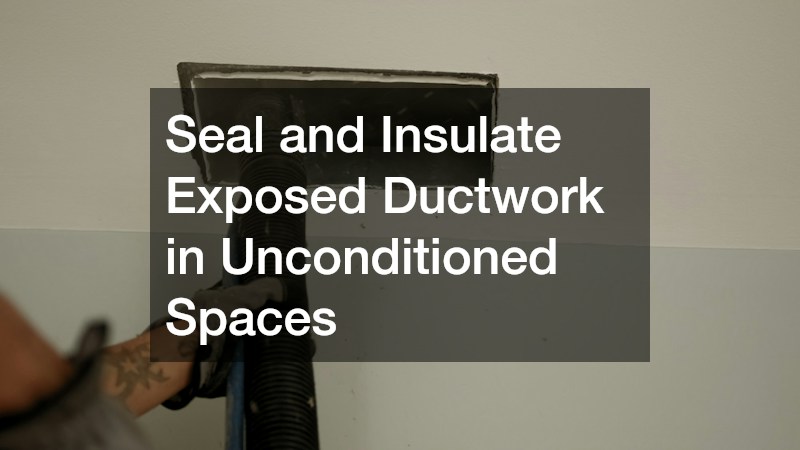
Exposed sheet metal ductwork running through unconditioned attics, garages, or crawl spaces radiates thermal energy directly into cold or hot air surrounding zones. Uninsulated supply ducts carrying cold air through a 120-degree summer attic warm up significantly before reaching upstairs bedrooms, forcing the cooling system to run prolonged cycles. Wrapping exposed duct runs in foil-faced fiberglass insulation prevents this thermal transfer, ensuring air arrives at room registers at the exact intended temperature.
Before applying exterior insulation jackets, all duct joints, elbow connections, and branch intersections must be physically sealed against air leakage. Standard cloth duct tape dries out and loses adhesion over time; specialized foil tape or liquid brush-on duct mastic provides a permanent, flexible air barrier. Sealing and insulating ductwork ensures that nearly all conditioned air produced by your heating and cooling equipment reaches living areas, providing optimal comfort at the lowest possible operating cost. Properly sealed ducts also prevent dust, insulation fibers, and crawl space moisture from being drawn into indoor air streams.
Reducing household energy costs does not require sacrificing personal comfort or undertaking overwhelming home renovations all at once. By focusing on targeted air sealing, upgrading outdated equipment, and maintaining key mechanical systems, you can systematically eliminate energy waste throughout your property. Each incremental improvement builds upon the last, resulting in noticeable reductions in monthly utility statements and a more reliable living environment.
Taking a proactive approach to property maintenance protects your valuable equipment from premature wear while keeping operating costs manageable over time. Whether you choose to seal drafty window frames this weekend or schedule an overhaul of aging mechanical systems, every step toward energy efficiency provides lasting financial returns. Start evaluating your home’s thermal envelope and mechanical performance today to unlock long-term savings for years to come.